


From profit to
planet:
how big-name
brands
are redefining
responsibility
As global temperatures continue to rise and consumers become ever-more conscious of their footprint, companies across the board are upping their sustainability measures
2024 was the first calendar year to see global temperatures average more than 1.5°C higher than pre-industrial levels, according to data by the Copernicus Climate Change Service – leading experts to fear we are one step closer to reaching the longer-term 1.5°C rise the 2015 Paris agreement has long attempted to prevent. “We must exit this road to ruin – and we have no time to lose,” UN Secretary-General António Guterres said in his 2025 New Year message, describing the last decade – which marked the 10 warmest years on record – as “climate breakdown.”
While the spate of record-breaking highs doesn’t necessarily mean we are doomed, it is certainly a wake-up call to countries and corporations to take action (and fast). Many businesses are doing their bit – for the sake of their bottom line as much as the planet. Consumers are demanding sustainability and accountability from corporations in ever-increasing numbers, and as Gen Z and Millennials continue to take on an ever-increasing slice of the pie, organisations that don’t take genuine action are likely to get left behind.
According to a recent report by AI platform First Insight, 62 percent of Gen Z shoppers prefer to buy from sustainable brands, and 73 percent would pay more for sustainable products. A recent Morgan Stanley survey meanwhile found that 99 percent of Millennials and 73 percent of Gen Z are interested in sustainable investing.
“Both Gen Z and Millennials expect sustainability to be part of the baseline – not just a brand add-on,” says Philippa Cross, Founder and CEO of sustainability collective Marshall Sustainability. “Research also shows the vast majority of Millennials and Gen Z want to work for companies with strong environmental values,” she says. With these two groups set to make up 74 percent of the global workforce by 2030, according to research firm Forrester, it is crucial for businesses to adapt if they are to attract top talent.
“In response, we are seeing more businesses set net-zero goals, create greener workplaces and support employees with education, incentives and Employee Resource Groups focused on sustainability,” she says. Adriel Lubarsky, Founder of Beehive Climate, believes ESG in business is about managing risk. “Companies excel at handling cyber, geopolitical and operational risks – sustainability should be no different,” he told Forbes. “To win with Gen Z, companies need to understand the risk of inaction or inauthentic action, weigh that against the risk of lost market share, and lean into ESG and sustainable values hard, all underpinned by transparency.”
Because if doing the basics or simply waxing lyrical once cut it, it doesn’t now. “Thanks to frameworks like EU CSRD and growing scrutiny, brands are being held to account for where they truly impact and influence,” says Cross. “As sustainability matures, the focus is shifting from glossy commitments to real delivery – especially at the product and service level.”
Cross continues: “The key is honest, proportional storytelling. Recycled packaging is a start, but real credibility comes from tackling the biggest impacts – like raw material sourcing in the core product.” So how are companies across the globe meeting the challenge? From IKEA to Apple, we have profiled a handful of businesses taking steps in the right direction to reduce their carbon footprint, embrace a circular economy and support communities across the world.

Patagonia
Adventure clothing brand and B-Corp, Patagonia, has been a sustainability pioneer since its California beginnings in 1973. Under Founder Yvon Chouinard – a pioneering rock climber and long-time environmental champion – the company began donating one percent of its sales to environmental preservation in 1985. Chouinard then encouraged other businesses to do the same by co-launching ‘one percent for the planet,’ a global network that now has around 5,000 members following suit.
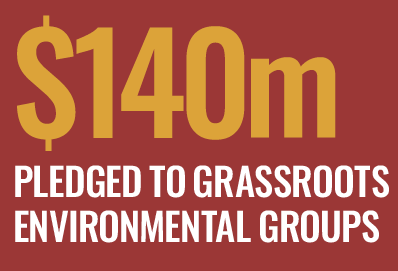
Under the scheme, Patagonia has pledged more than $140m to grassroots environmental groups in the US and beyond, adding to a whole raft of other initiatives. These include carbon-cutting measures such as using only ‘preferred materials’ – namely organic cotton and recycled polyester and nylon – and using 100 percent renewable energy for its owned-and-operated stores and offices. The company has also partnered with organisations to fund residential solar units, and with local communities to protect natural spaces.
It launched a ‘Worn Wear’ programme, enabling customers to trade in and buy second-hand clothes, established Patagonia Action Works to connect individuals to organisations targeting environmental issues, and regularly petitions; in 2017, Patagonia even attempted to sue President Trump in coalition with other groups to protect Native American land. But the most drastic measure of them all came in 2022, when Chouinard donated ownership of the entire $3bn company to trust and non-profit organisation Holdfast Collective – meaning all profits would be used to fight climate change and protect the planet.
“We are going to give away the maximum amount of money to people who are actively working on saving this planet,” Chouinard told The New York Times. “I didn’t know what to do with the company because I didn’t ever want a company,” he said. “I didn’t want to be a businessman. Now I could die tomorrow and the company is going to continue doing the right thing for the next 50 years, and I don’t have to be around.”
Patagonia is a winning example of sustainability and philanthropy at its best. And if the numbers are to go by – revenue reportedly exceeded $1bn in 2024 – it has certainly paid off from a business standpoint, too.
IKEA
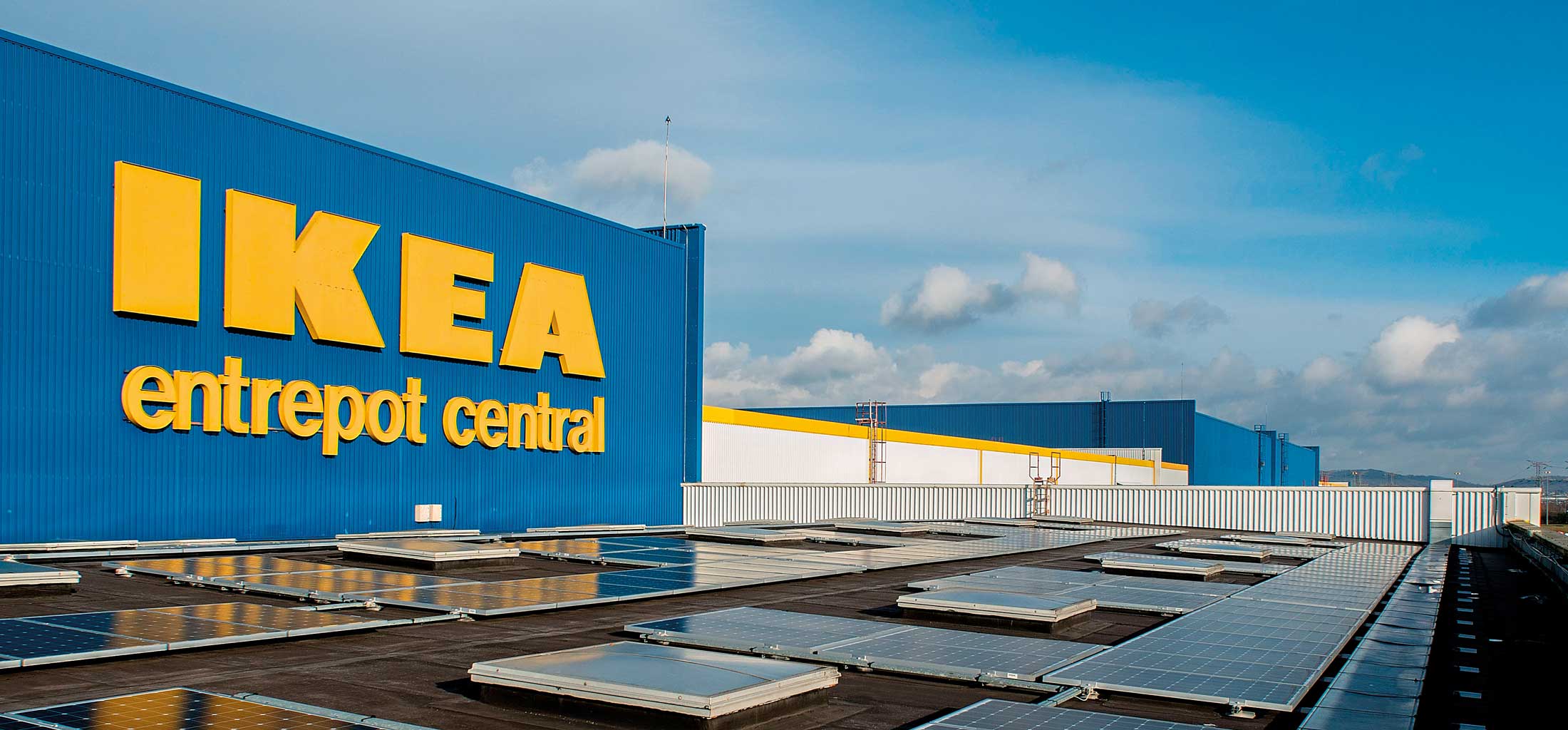
It might sound like a paradox for a company long centred on fast, disposable furniture to be truly sustainable, but the Swedish furniture brand has taken significant strides in going green.
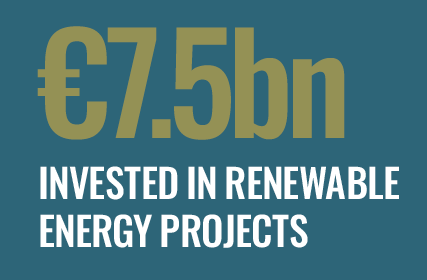
Circularity is at the heart of many of its initiatives, including a buy-back and resell programme which means customers can return used furniture in exchange for store credit. The company is also transitioning to clean energy (75 percent of its production was already running on renewable electricity in 2024), and is investing more than €7.5bn in renewable energy projects, including wind and solar farms.
Electric vehicles have also been introduced to its delivery fleet to help meet its environmental goals – which include cutting greenhouse gas emissions from its value chain by 50 percent by 2030 compared to 2016, and reaching net-zero emissions by 2050.
Working with local communities is also a key focus for the brand. “In 2024, IKEA supported over 81,000 people through community programmes, and expanded efforts in refugee employment and biodiversity,” Karen Pflug, Chief Sustainability Officer, told World Finance. Last year in the US, the firm even constructed and donated a sustainably built home to a small village in Texas that would house vulnerable residents, using “trauma-informed design” to support wellbeing.
Experts agree IKEA is doing things the right way. “I often point to IKEA as a sustainability leader,” says Marshall Sustainability’s Cross. “They don’t shy away from the tough conversations – including the role that affordable goods can play in driving overconsumption,” she says.
“Instead, they have tackled it head-on with initiatives like sourcing FSC-certified wood, improving product durability and experimenting with circular models. I also appreciate their transparency; they openly share the challenges they face and invite feedback, which is key to building trust and real progress.”
Pflug, meanwhile, says making sustainability more accessible is a key focus for the company. “We know that people want to take more climate action, but often face barriers like cost and convenience,” she says. “We are focused on making sustainable living more affordable and accessible – through services like buyback and resell, and by continuing to improve how we bring products and solutions that help people live more sustainably every day.”
Where things go from here remains to be seen, but the furniture company certainly looks set to be trailblazing a promising path.
New Belgium Brewing Company
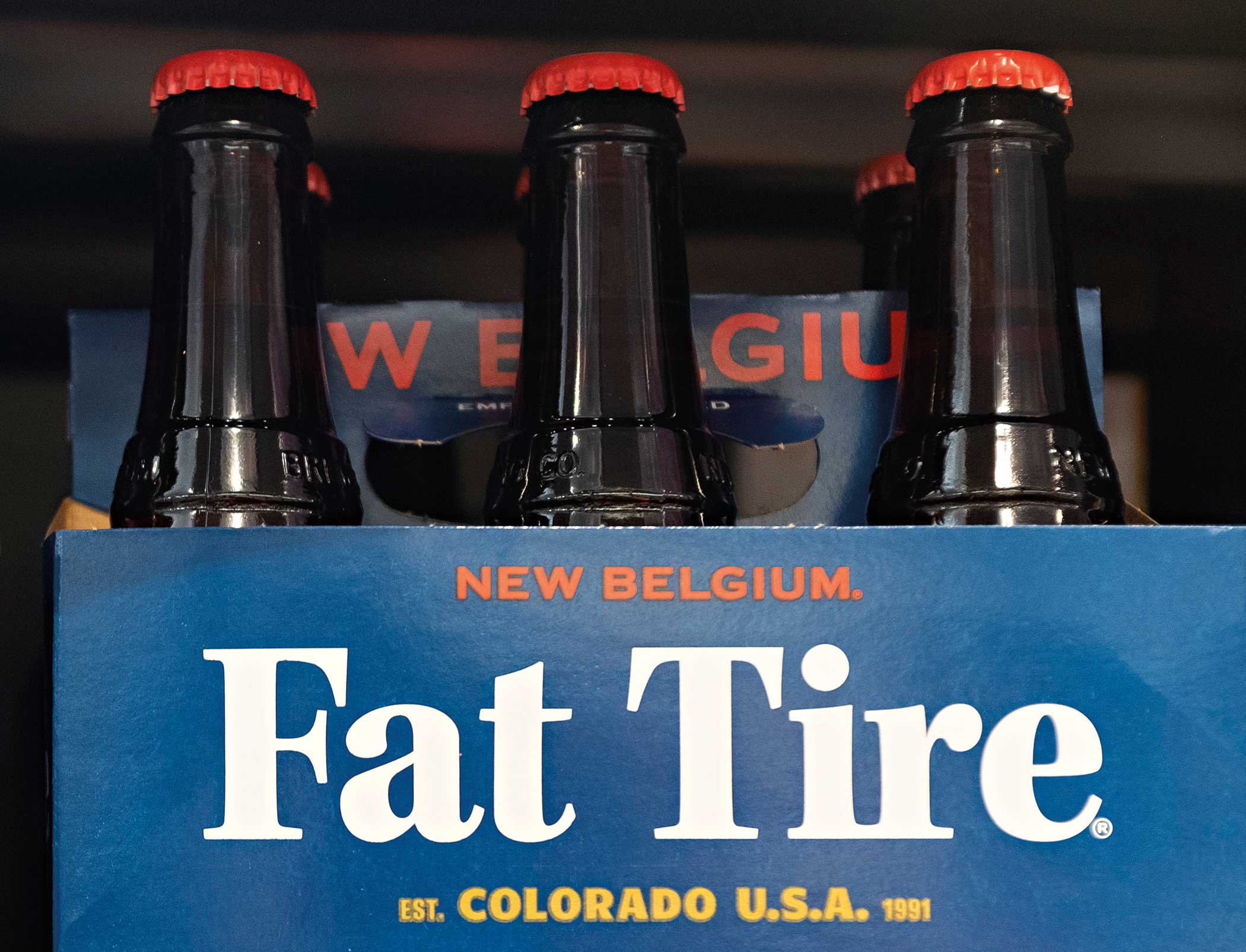
As the first wind-powered brewery in the US and the producer of the country’s first certified carbon neutral beer (Fat Tire), Fort Collins-based New Belgium Brewing Company is something of a pioneer in the beer field. It uses a number of innovations – from ‘sun tubes’ for natural lighting to methane produced from wastewater to generate energy – and has a goal for all production facilities to be powered solely by renewable energy by 2030.
The company also advocates for climate action as a member of the ‘We Are Still In’ movement – where it sits on the leadership circle alongside Microsoft and other giants – and co-founded the Glass Recycling Coalition to boost recycling rates. To encourage sustainable commutes, employees are even given an ‘anniversary bike’ when they have been with the company for a year. Wider sustainability efforts range from regenerative agriculture and water stewardship to responsible sourcing and land use.
The self-proclaimed ‘Human Powered Business’ also works heavily with local communities; in 2024, it invested in more than 360 non-profit organisations (and last September its distribution centre in Asheville became a drop-in for those affected by Hurricane Helene).
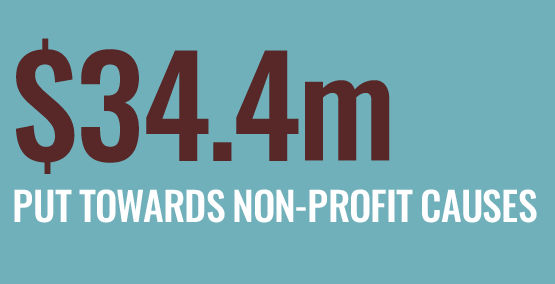
It was also the first brewery to join ‘one percent for the planet’ back in 2008. “This means that for every barrel of beer sold, we donate $1 to non-profits across the US,” says Meghan Oleson, Social Impact Senior Manager. “That amounts to a total of more than $34.4m put towards helping solve some of the world’s most pressing social and environmental challenges.”
But Walker Modic, Senior Director of Environmental Programs, recognises there are still obstacles to overcome. “There are many challenges to meeting sustainability goals. One such challenge is that much of our impact happens outside our operational control,” he says. “For example, our packaging materials are recyclable, but that doesn’t mean they always get recycled due to regional recycling infrastructure challenges or consumer behaviour, which are both difficult to change.
“However, by using less energy, switching to cleaner sources and collaborating across our value chain, we can do our bit to reduce costs and minimise environmental harm,” he says. “If we can be the proof point that business can be a force for good and that doing so makes it a stronger business, we believe it will be that little bit easier for other businesses to do the same.”
Workday
Workday – which provides businesses with financial, IT and human capital management solutions through an AI platform – reached net-zero carbon emissions in 2020 and has been operating entirely on renewable energy since then. The organisation is one of the first in the world to have achieved a lifetime net-zero carbon footprint, and in 2023 joined Frontier, donating new funds to help the $1bn advance market commitment targeted at supporting carbon removal technologies.
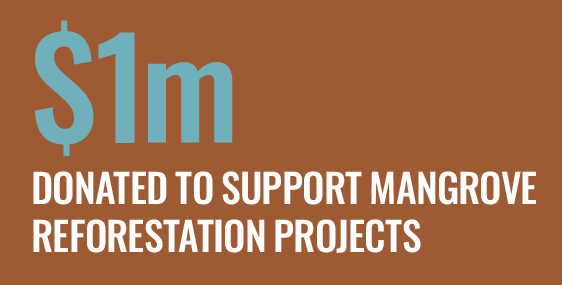
In 2024, the company also committed to a multi-year carbon credit offtake agreement to support projects in partnership with climate tech firm Patch. These range from protecting forest in the Amazon using remote sensing to carbon removal using biochar in Namibia, and plugging orphaned oil and gas wells to target methane emissions. Other efforts include donating $1m to support mangrove reforestation projects in Mexico and Kenya to sequester carbon.
Under a Green Team Leadership Programme, employees are meanwhile encouraged to lead sustainability initiatives in their local offices – from waste reduction campaigns to Earth Day activities and community projects – with budget and promotional material provided by the company.
The goal of the Green Teams is to enable employees to become “stewards of the Earth,” according to Erik Hansen, Chief Sustainability Officer. Workday Green Teams have helped a school district go green by implementing a composting, recycling and landfill system; cleaned up the coast of Bull Island in Dublin by recycling and composting hundreds of pounds of waste; and planted young trees in Auckland, New Zealand.
“We put some bold commitments in place several years ago at Workday to keep moving in a positive direction to protect our planet, and we are certainly not slowing down,” Hansen says.
According to Hansen, an internal survey found 96 percent of employees felt Workday was doing its fair share to reduce its environmental impact. DitchCarbon, a platform that analyses business’ emissions, meanwhile gives it a score higher than 99 percent of others in the industry – proof in the pudding that this is another company taking genuine steps to address some of the planet’s most pressing issues.

Renault
Sustainability and cars might not always go hand in hand, but electrification and other efforts are helping to go some way in mitigating impact – and Renault is among those leading the charge. It launched the Refactory – ‘Europe’s first circular economy factory dedicated to mobility’ – in the French commune of Flins in 2021, aimed at extending vehicle life through a ‘retrofit, re-energy, recycle and restart’ programme, in the words of the company.
Services range from repairing and reconditioning EV batteries to retrofitting combustion-engine cars into electric vehicles.
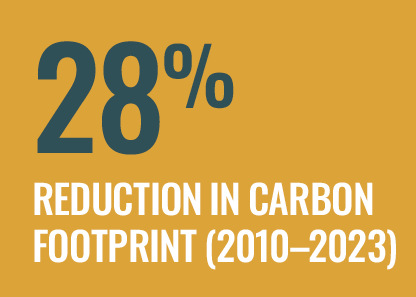
It is not the only step being taken. The group has set a goal to achieve carbon neutrality in Europe 2040 and worldwide by 2050 through a number of other measures, not least EVs; 90 percent of its vehicles in Europe are due to be battery-electric by 2030. Some progress has already been made toward the targets – Renault saw its carbon footprint fall by 28 percent from 2010 to 2023 – and the company is aiming to create positive impact in the wider industry, too. In 2022, it launched ‘The Future is NEUTRAL,’ offering recycled materials and reused parts to “support industry players in moving towards resource neutrality,” in the words of Chief Executive Jean-Philippe Bahuaud.
Renault says it is also aiming to up its use of recycled materials in production. The Scenic E-Tech, an electric family SUV launched in 2024, uses recycled materials for a quarter of its parts, with 90 percent of the car’s mass also recyclable. Innovations include floor mats made from recycled plastic bottles, recycled seat upholstery, a steering wheel coated in bio-sourced materials and cotton weft, and a cockpit that uses 26 percent recycled plastic.
The electric Renault 5 E-Tech – the ‘city car’ being rolled out this year – will meanwhile feature a slew of sustainability features, with its modules designed to have a 35 percent lower carbon footprint than those of its predecessor, ZOE, by 2030.
The automobile firm is also attempting to help mitigate impact on wildlife through various initiatives – including a project in Thailand to train local farmers in agroforestry and help reduce the impact of rubber cultivation on biodiversity (in partnership with Michelin). While there is still some way to go before the car industry could be considered the height of sustainability, Renault is among those forging a positive path.
Apple
From resource extraction to energy-guzzling production lines, mobile phone and tech manufacturers might not be the poster child for eco-friendliness, either; but many, including both Samsung and Apple, are taking notable strides to reduce their impact.In April, Apple announced it had cut its global greenhouse gas emissions by more than 60 percent compared to 2015 levels, marking significant progress towards its 2030 goal of becoming carbon neutral.
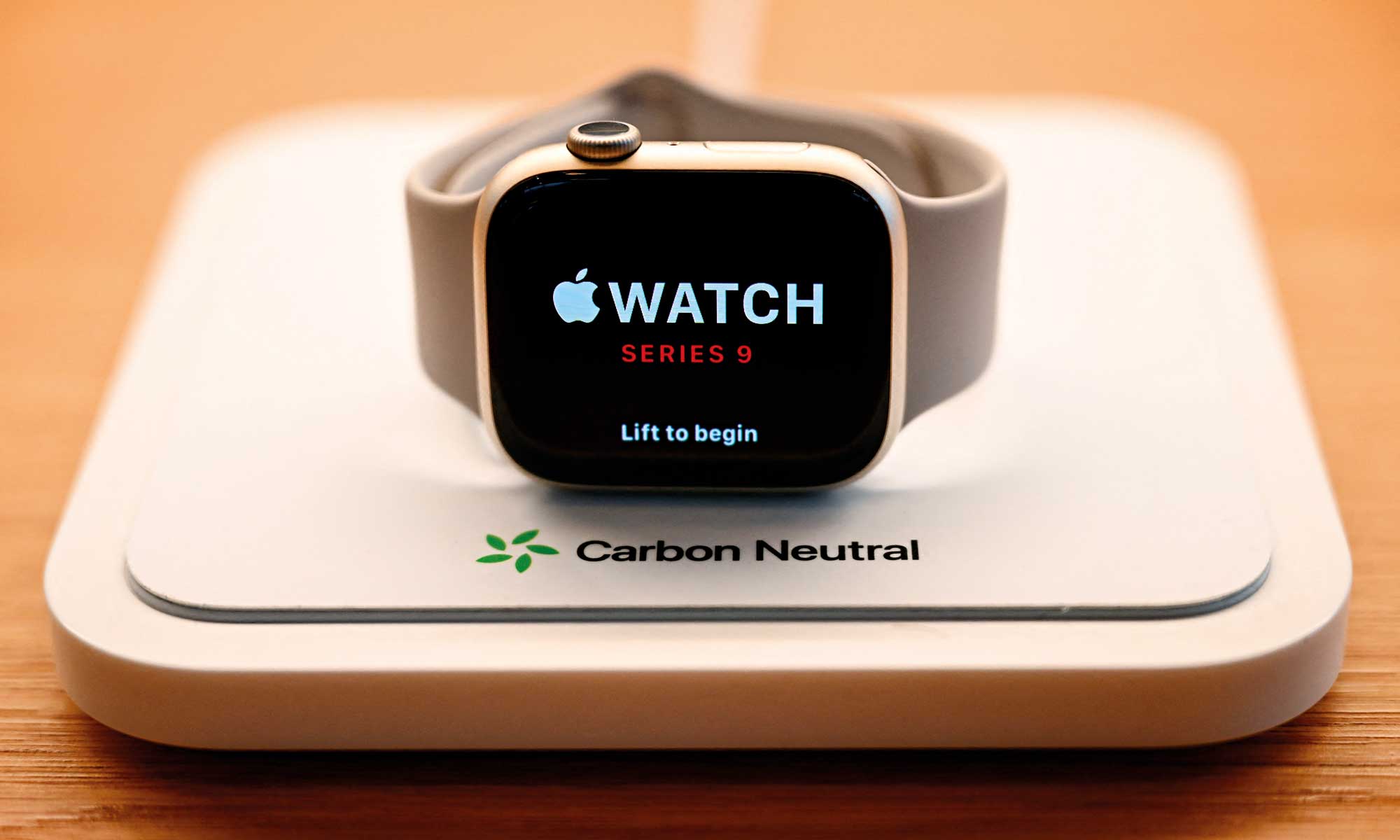
The brand introduced its first fully carbon neutral products in 2023 in the form of various Apple Watches, achieving a 75 percent reduction in emissions (with the remaining emissions offset via carbon credits invested in nature-based projects). Last October, a carbon neutral Mac mini was rolled out, made with over 50 percent recycled content, while the new MacBook Air, introduced in early 2025, uses over 55 percent recycled content.
All Apple-designed batteries are now made from 99 percent recycled cobalt – and for those looking to get rid of their old devices, Apple Trade In allows customers to bring in old Apple products to be recycled in exchange for credit. The recent Environment Progress Report outlined a series of other milestones – not least having powered every Apple facility with renewable energy since 2018. “That progress is quickly making its way across our global supply chain, and today, our suppliers now support more than 17.8 gigawatts of clean energy around the world,” wrote Lisa Jackson, Vice President of Environment, Policy and Social Initiatives, in the report.
“We are also investing in clean energy projects to match the energy our customers use to charge their devices,” she said, pointing to the company’s Power for Impact programme, which includes renewable energy projects in the Philippines, Thailand, South Africa and beyond. “By expanding access to safe, reliable electricity, we can protect the planet and support the communities most significantly impacted by climate change.”
Apple is also investing in carbon removal projects through its Restore Fund, whose projects include reforesting the Atlantic Forest in Brazil, now “filled with native tree species that could have been lost forever,” in Jackson’s words.
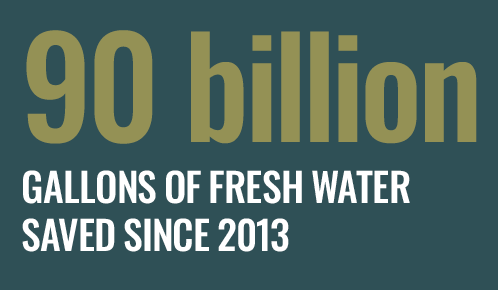
Waste issues are meanwhile being addressed under a Zero Waste programme; in 2024, participating suppliers redirected around 600,000 metric tons of waste from landfills. The company’s Supplier Clean Water Programme has also seen more than 90 billion gallons of fresh water saved since it was introduced in 2013, promoting water reuse at facilities around the world.
There is still more to be done – not least around flying; Apple’s corporate travel emissions were down 31 percent in 2023 compared to 2019, but this lags behind the average reduction seen by other major tech companies, according to a Travel Smart campaign by Transport and Environment.
Nonetheless, the tech giant is certainly a promising example, using innovation to drive sustainability in characteristically Apple fashion, all while benefitting the bottom line.
Revenue grew by more than 65 percent in the same period that emissions fell by 60 percent, showing that profitability and sustainability can go hand in hand if done in the right way – and as we move into the future, and watch as Gen Z takes to the stage, the first might just well become the key to achieving the second.

