



Iran, oil, and the world economy: are we seeing history repeat itself?
Fear itself became an economic force during the 1978-79 Iranian revolution, says EBC's Christopher Stiegeler
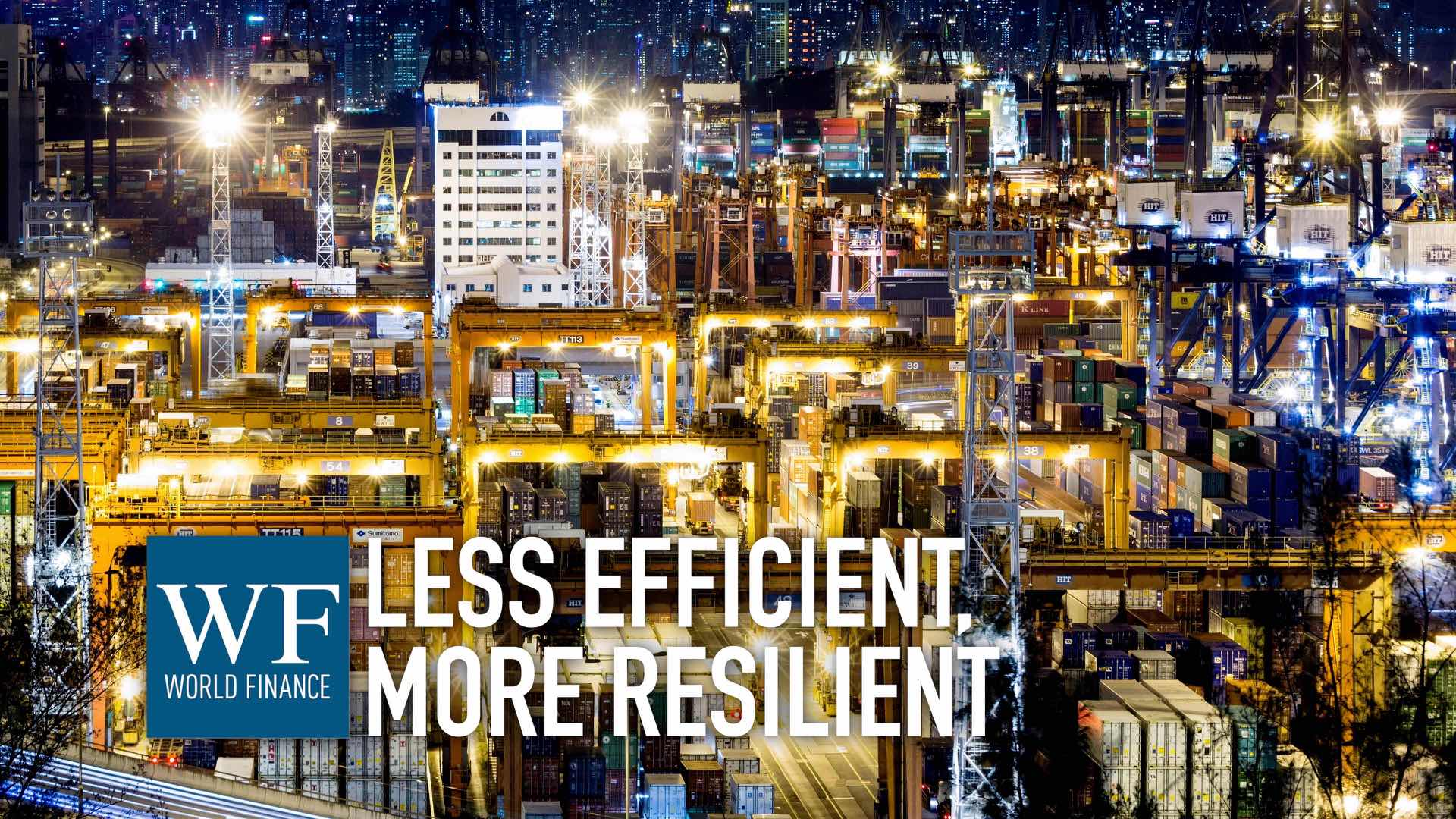 EBC director: How the future of trade may be less efficient but more resilient
 Safe haven gold: what are investors and central banks seeking protection from?
Related:
Transcript
The International Energy Agency says that Trump’s Iran war has created the “largest supply disruption in the history of the global oil market.” But that history is full of these sorts of crises; so what lessons, if any, can we learn? Christopher Stiegeler from award-winning brokerage EBC Financial Group discusses the parallels between today and the 1978-79 Iranian Revolution, and how fear became as strong a market force as the drop in oil supply.
World Finance: Let’s start with the impact that this disruption has had on the markets, and what historical parallels you can draw.
Christopher Stiegeler: Well that’s an interesting question. I mean, current estimates suggest that around 10m barrels a day are being lost – and that compares with about 20m barrels a day that we were looking at pre-conflict levels.
And that’s why Iran matters so much in financial markets. It’s not just the barrels that Iran produces – or in this case, is struggling to get out to the markets. It’s the geographical situation of Iran and the Strait of Hormuz, which is now again front and centre stage of the oil market, and its position as one of shipping’s major global chokepoints.
And that creates a really sort of interesting historical parallel, actually. In the 1978-79 Iranian revolution, strikes and political instability caused barrels to disappear, if you want to say that. But it wasn’t just the barrels that disappeared that was the issue. It was that fear itself became an economic force. And that’s sort of, very interesting and relevant for traders today, with the oil market.
World Finance: Well, tell me more – how can traders learn from that historical parallel?
Christopher Stiegeler: So, for EBC’s clients that trade oil, they’re not necessarily just asking themselves the question of, ‘How much oil is out there today?’ They’re asking what supply’s going to look like next week, or next month, or the month after that. And that’s really interesting, because it’s sort of where geopolitics merges and morphs into economics.
If crude oil stays expensive, we’re going to pay more in petrol and diesel prices; manufacturing costs are going to increase; airlines are going to pay more for their jet fuel, as we know. And eventually, unfortunately, that will feed through to the end consumer in the form of higher prices.
So I think the question that oil traders should be asking themselves today, is: is this a temporary geopolitical risk premium? Or is this more of a cultural shock that we’re looking at, that would have parallels with the late 1970s?
And I think that’s the key question, probably, that EBC’s oil trading clients, and the wider market, is grappling with today.
Watch more from this interview with Chris Stiegeler:
Could the oil shock bring back inflation? EBC director on trading peace vs disruption
Safe haven gold: what are investors and central banks seeking protection from?
EBC director: How the future of trade may be less efficient but more resilient

