



Saudi Air Navigation Services: Financial resilience through operational excellence
Financial, operational and digital improvements have made SANS more productive, steadier, and more self-reliant: freeing resources to invest in continuous growth and future-ready infrastructure, says CFO Bandar Alyafie
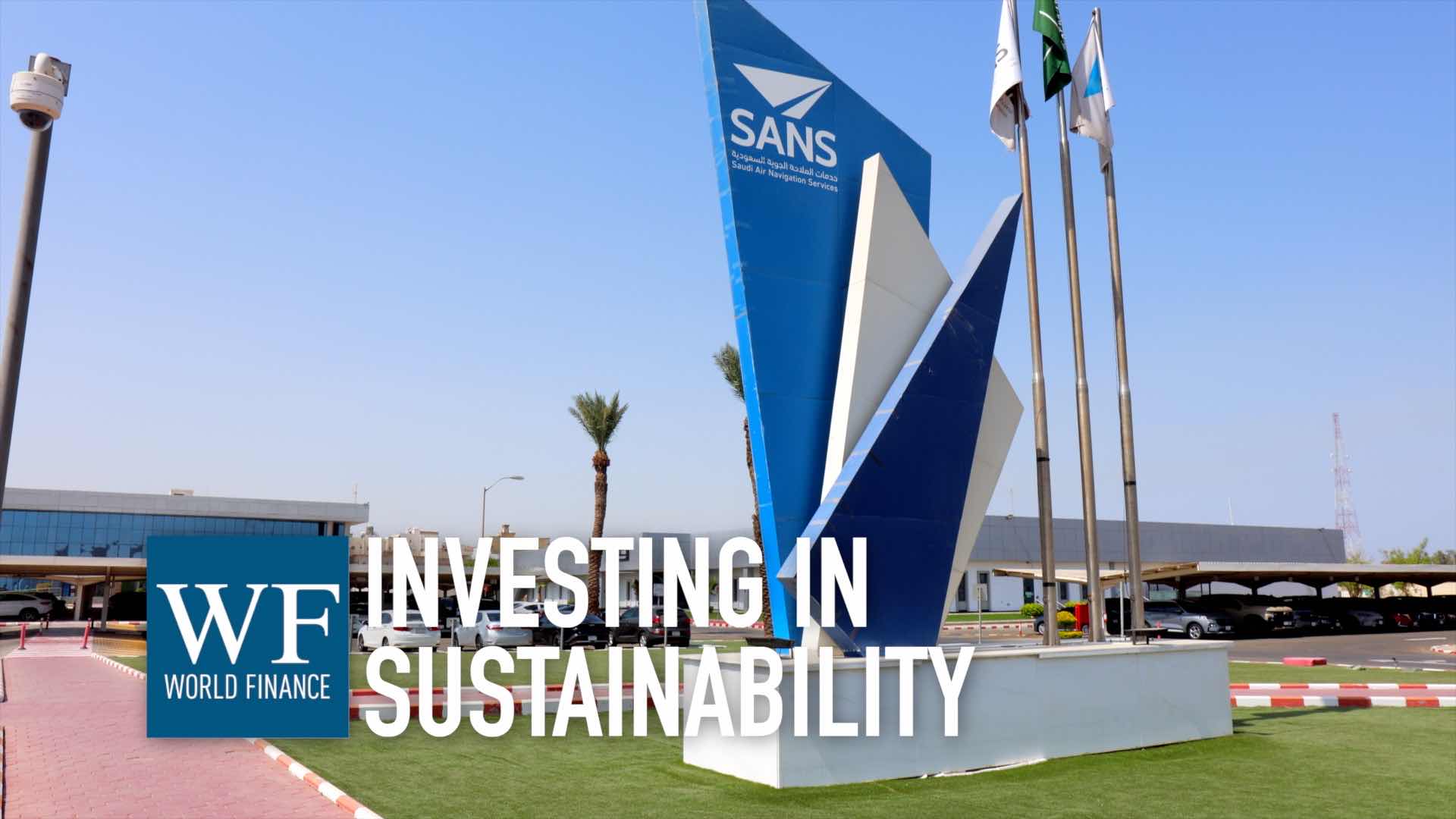 Saudi Air Navigation Services: Investing in growth, resilience, and sustainability
 Saudi Air Navigation Services: Creating sustainable skies for Vision 2030
Related:
Transcript
Saudi Air Navigation Services, or SANS, is the Kingdom of Saudi Arabia’s national air navigation provider, guiding over a million flights a year safely and efficiently. It manages over two million square kilometres of airspace from 19 towers, nine approach centres, and two area control centres; delivering air traffic control, airspace management, and aeronautical information services.
In our third and final video with Saudi Air Navigation Services, CFO Bandar Alyafie and members of SANS’ finance division discuss the operational reforms and improvements that have improved its financial resilience, enabling long-term sustainability for the operator and Saudi Arabia’s skies.
Watch the rest of this video series with Saudi Air Navigation Services:
Creating sustainable skies for Vision 2030
Investing in growth, resilience, and sustainability
Bandar Alyafie: Saudi Air Navigation Services has sustainability as our sixth corporate pillar.
From a finance perspective, the way we plan, allocate resources, and manage risks, forms the foundation of our long term financial resilience.
The three biggest enhancements we have made have been to our finance and accounts operation, procurement and supply chain, and digital finance transformation.
Zain Abdulmannan: At SANS, in our accounts operations, we enhanced our financial practices through stronger controls, automated processes, and improved collections: driving efficiency, reducing risk and supporting long-term sustainability.
We wanted stronger cash discipline and reliable reporting; improving collections and billing efficiency, while tightening controls to reduce risk.
To achieve this we moved to recurring invoice-track billing, ran proactive customer visits, refined our credit-loss methodology, and reduced the invoice review cycle.
These delivered record-level collections and recovered long-overdue balances, strengthening cash flow and reducing our reliance on external financing.
Bandar Alyafie: Efficient supply chain practices contribute to our sustainability through controlling costs, supporting local businesses, and advancing Vision 2030.
We have strengthened our supplier management and expanded our local supplier base: improving our resilience, developing the local economy, and earning us the global CIPS Procurement Excellence Award.
Sultan Mujallid: Since we started digitally transforming our finance function, we have adopted EPM planning, Power BI dashboards, automated IFRS 16 leasing solutions, and financial governance applications; in addition to multiple automations and advanced modules.
These initiatives have reduced manual processing and errors, enabled real time insights, and accelerated reporting by up to 150 percent – leading to faster and better analysis and decision making.
Bandar Alyafie: These financial, operational and digital improvements make SANS more productive, steadier, and more self-reliant: freeing resources to invest in continuous growth and future-ready infrastructure.
Going forward, we aim to expand AI-enabled processing and analysis, broaden our investment scope, and further strengthen our governance.
These priorities will help improve efficiency, enhance decision-making, and reinforce SANS’ long-term sustainability and resilience.

