


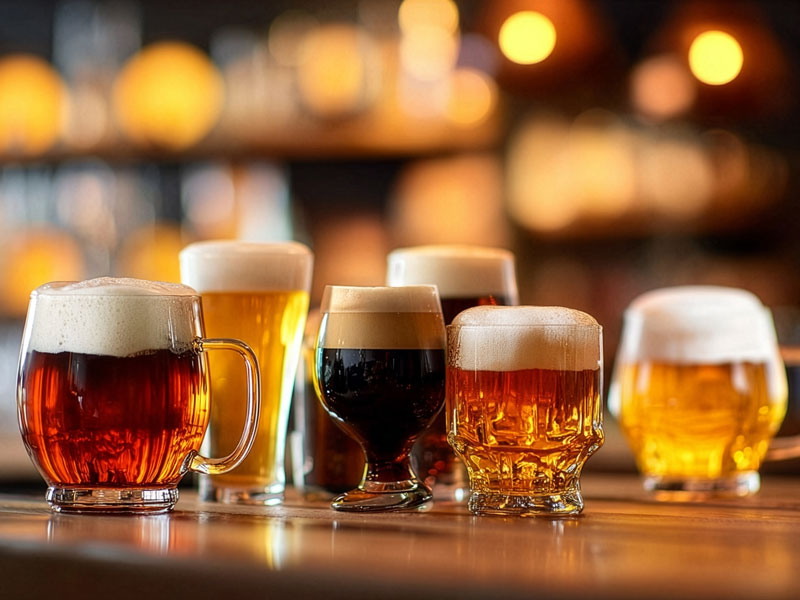
In supermarket aisles and across pubs, bars and restaurants today, lower- and no-alcohol options are becoming staples of the modern drinking landscape. Consumers are embracing moderation and driving the rapid expansion of the lower- and no-alcohol beverage market. For consumers seeking a lower- or no-alcohol drink, beer is the obvious choice.
With a lower alcohol content than most beverages in the category, beer is moderate by nature. Typically sold at or under five percent alcohol by volume (ABV), a beer contains significantly less alcohol than say, a Negroni, Martini or Old Fashioned, which are made with hard liquor at 20–30 percent ABV or more, or a glass of wine at 12 percent ABV.
But a beer is still a beer no matter how much alcohol it has. A unique interplay of malted barley sweetness, hop bitterness and yeast esters during fermentation make up the character of a beer, and brewers preserve this character in their lower- and no-alcohol alternatives in a way few other beverages can achieve.
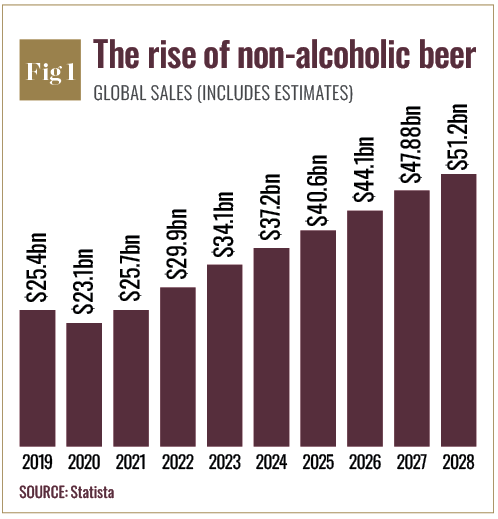
The global beer industry is uniquely positioned to deliver on the cultural shift towards moderation that we are seeing today, and brewers around the world have risen to the occasion (see Fig 1). IWSR forecasts no-alcohol beer and cider will contribute nearly 70 percent of the overall no/low-alcohol growth between 2022 and 2026, while a report from the European Commission reveals beer and cider make up 97 percent of the EU’s lower and no-alcohol market.
Industry aligned to economic priorities
Today’s moderate drinking landscape has obvious benefits for policymakers’ public health objectives too. Substituting high-alcohol beverages, like hard liquor, with lower-alcohol options, like beer, is a time-tested, evidence-based way to improve public health outcomes.
A comprehensive study on the impact of alcohol policies in Russia by WHO Europe found policies shifting consumption away from high-strength alcohol beverages towards lower-alcohol beverages were associated with improving multiple public health indicators, while a study by the Portman Group revealed one in five (21 percent) of consumers in the UK who drank alcohol said their weekly consumption had decreased since first trying lower- and no-alcohol alternatives.
The beer industry also supports thriving communities. While many global industries can tout big contributions to global GDP, the beer industry lifts up local economies in a unique way. 86 percent of brewers’ supplier spending is in local markets. From hops and barley farmers to trucking companies to hospitality, beer is the backbone of a robust and varied value chain. The productivity of those employed by brewers is also significantly higher than the average worker, driving economic growth and income opportunities, particularly in developing nations. Oxford Economics found brewers generate $117,000 of GDP per worker in lower-income countries, more than 18 times the average.
Policymakers can ensure the beer industry continues to deliver positive outcomes
But a thriving community is about more than just economics. Pubs, bars and restaurants are at the heart of our communities, providing a positive space for people to come together, connect and create shared experiences in a tradition that dates back thousands of years. A strong beer industry is vital to prolonging the life of these businesses, which sit at the core of local communities around the world. Now that lower- and no-alcohol beers are available in most local establishments, the beer industry has helped make pubs, bars and restaurants more inclusive than ever before, as customers can still enjoy the custom of sharing a beer – and the individual, social and community benefits it brings – with or without alcohol.
Policymakers can support this industry
Beer supports positive public health outcomes, strong economies and thriving communities. And the regulatory environment can support the industry to do even more. We are calling for policymakers around the world to regulate alcohol according to beverage type and strength, which would encourage the production and consumption of lower alcohol-strength products like beer. Many OECD countries are already leading the way by applying lower excise tax rates to beer than to hard liquor and offering even lower rates for lower- and no-alcohol options.
By creating a supportive regulatory and fiscal environment for brewers to do business, policymakers can ensure the beer industry continues to deliver positive outcomes to local communities around the world.

