Redefining the banking experience in Latin America

In a global landscape where digital transformation is no longer a competitive advantage but a necessity, Banco Popular Dominicano has cemented its leadership as the most digitally advanced financial institution in the Dominican Republic. With more than six decades of experience serving generations of Dominicans, Banco Popular blends tradition with bold innovation, standing out as the institution that best understands the times, earning the trust of both traditional and forward-thinking customers alike.

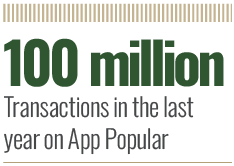
With a clear and strategic vision, Banco Popular has achieved a milestone: 88 percent of its transactions are now conducted digitally, supported by a robust ecosystem of mobile applications and digital platforms designed to make users’ lives easier. In the past year alone, its flagship mobile application, App Popular, registered over 100 million transactions – evidence of the bank’s rapid digital adoption.

Backed by the ambitious personal banking initiative; ‘A more innovative, more human, and closer banking experience,’ Banco Popular has undertaken a comprehensive transformation of its branch network, positioning itself at the forefront of modern banking in Latin America. This bold redesign has transformed its branches into more spacious, efficient, and technologically advanced environments that offer customers a more agile and personalised experience, promoting self-service alongside tailored attention. The bank’s aim is to ensure high-quality customer interactions by dedicating more time to strengthening relationships, allowing clients to see each banker as a trusted financial advisor.

Delivering greater value to the customer
As a result of this transformation, wait times in branches have consistently improved by 50 percent, offering a faster experience without compromising service quality. Additionally, routine services have been redirected to the teller area, streamlining internal office flows and allowing staff to focus on more value-added consultations for customers.

The efficiency gains are reflected in the bank’s performance, as it now boasts the highest Net Promoter Score (NPS) in the Dominican banking sector. By the end of 2024, it reached a historic general NPS of 70 points, and an outstanding 90 points specifically for branch service. Customers now rate their experience immediately after receiving service via QR codes available at every branch, resulting in an impressive 98 percent satisfaction rate. Banco Popular has also solidified its leadership in payment solutions, being the first in the country to integrate Google Pay, Apple Pay, and Garmin Pay with its credit and debit cards. Standout products include the Visa ISI and Mastercard Infinia cards, and the BIZ portfolio for business clients. The Mastercard United MileagePlus card was also relaunched with an enhanced value proposition.

A more human and strategic model
Unlike other digital transformation models that reduce human interaction, Banco Popular has embraced a unique approach: ‘More digital, more human.’ This philosophy is embodied in a customer service model that prioritises relationships, guidance, and closeness – even in digital settings. Today, more than 100 financial officers provide remote assistance, doubling the number of customers served by personal advisors.

The bank has also migrated non-face-to-face services to a highly efficient internal service centre, further reducing wait times and enhancing the customer experience. This strategy enables higher-quality in-branch interactions, turning each meeting into an opportunity to deepen the client relationship. In this model, each officer is not merely a manager, but a true financial advisor.

Banco Popular has also demonstrated an ability to understand and meet evolving customer needs – from young people purchasing their first home to entrepreneurs seeking capital. Accordingly, the bank has expanded its presence beyond traditional branches by deploying business units directly within real estate agencies, car dealerships and retail stores. This proximity allows them to be present at critical moments in customers’ financial lives. The success of this transformation is not measured solely by efficiency or digitalisation metrics. It is also reflected in the strength of the bank’s organisational culture, driven by professionals committed to the economic and social development of the country. At Banco Popular, we embrace the challenge of constantly evolving for the benefit of our customers and the country’s development.

Recognised financial excellence
In the ‘Digital and Multichannel 2024’ study conducted by Finalta (a McKinsey & Company subsidiary) – which evaluates and compares the performance of over 200 banks across 50 countries – Banco Popular Dominicano ranked above the Latin American average and even outperformed global digital leaders in customer activity at ATMs and branches, product sales, officer productivity and new customer acquisition.

Additionally, having been recognised for four consecutive years as the ‘Most Digital Bank in the Dominican Republic’ by the Superintendency of Banks’ Digital Banking Ranking, and having received numerous international accolades from institutions such as World Finance, The Banker, Latin Finance and Euromoney, Banco Popular demonstrates that the future of banking lies not only in technology, but in its thoughtful integration with empathy, strategic insight, and long-term vision.

Unlocking Nigeria’s potential

There is good reason why Nigeria is known as ‘the giant of Africa.’ Boasting vast land, rich resources and a vibrant economy, the West African nation has established itself as a rising global power. Despite its size and resilience, however, Nigeria is certainly not immune from economic shocks. 2024 was a challenging year on many fronts. The global economy was rocked by trade tensions and geopolitical uncertainty, while tight monetary conditions constrained developed markets. Internally, Nigeria also had to contend with persistent inflationary pressures, currency volatility, high interest rates and the socio-economic consequences of bold governmental reforms. Yet, amid these challenges, resilience has emerged as a defining theme for the Nigerian economy.

In fact, Nigeria’s economy grew by 3.4 percent in 2024, marking the country’s fastest rate of economic growth in a decade, excluding the 2021–22 Covid-19 rebound. While inflation remains stubbornly high, this recent acceleration in economic activities may give some hope that the nation may now be on a path towards sustainable growth.

At Zenith Bank, we understand that challenges often create the impetus for innovation and positive change. Just as the nation’s economy has demonstrated adaptability and strength in the face of significant macroeconomic headwinds, Zenith Bank is proud to see opportunity where others see challenge. In this fast-paced economic environment, we do not merely react to the shifting landscape – we anticipate, adapt and act with agility. This proactive approach helps Zenith Bank to stay at the forefront of emerging trends, and to best serve our customers as their needs and requirements change. In a year when many financial institutions have been grappling with rising costs and constrained liquidity, Zenith Bank has shown unmatched financial discipline, robust asset quality and investor confidence, and has met and exceeded the ₦500bn ($315m) recapitalisation target set by the Central Bank of Nigeria (CBN). By accelerating our digital transformation, sharpening our strategic priorities and enhancing the customer experience, we are proud to be driving positive change in Nigeria’s ever-evolving financial landscape.

Digital evolution
One of the most profound changes of the last few years has been the rapid development and uptake of Artificial Intelligence (AI) technologies. Indeed, 2024 was a landmark year for AI, marked by new breakthroughs and widespread adoption across industries. AI is already reshaping the financial services sector, with banks using the technology to enhance customer services, prevent fraud and better manage risk. According to the McKinsey Global Institute, generative AI could add between $200bn and $340bn to the global banking sector each year, largely through increased productivity. Given the efficiency gains that AI can enable, it is no surprise that financial institutions are racing to implement this new technology – but this is an important transformation that banks need to take care to get right.

Resilience has emerged as a defining theme for the Nigerian economy

At Zenith Bank, we are committed to delivering innovative, customer-centric solutions that meet the evolving needs of our customers in the digital age. With this in mind, we have successfully integrated AI into our Customer Relationship Management (CRM) system to enhance response times and improve customer service delivery. We have also embedded AI capabilities into our anti-fraud system, which is strengthening the protection of our customers’ funds and enhancing fraud detection.

To deepen customer engagement, Zenith Bank is also deploying advanced tools that track customer journeys across different digital touchpoints, helping to refine the design and delivery of hyper-personalised solutions. The bank also has its own AI-powered chatbot, named ZIVA (Zenith Bank Intelligent Virtual Assistant), which can offer banking services on WhatsApp and other social media platforms. This allows customers to access services in a way that best suits their needs, making bill payments, fund transfers and account management simpler and more accessible than ever before.

One of Zenith Bank’s most significant milestones in 2024 was the successful completion of its digital transformation journey. This transformation was not merely about technology upgrades – it represented a holistic revamp of the bank’s customer engagement channels, internal processes and operational backbone. By leveraging AI, data analytics and cloud-based platforms, we enhanced the speed, reliability and personalisation of our services.

These new and improved capabilities help us to provide seamless, hyper-personalised banking experiences for all of our customers, and place us at the very forefront of digital banking in Nigeria and across our African markets.

Small business boom
Nigeria boasts a thriving entrepreneurial culture, with small-to-medium businesses contributing 48 percent of the national GDP. SMEs are the growth engine behind Nigeria’s developing economy, employing over 80 percent of the country’s total workforce and keeping day-to-day business activity moving. However, despite the size of the SME sector, small-business owners continue to face a myriad of challenges, including regulatory hurdles, high operating costs and limited access to finance.

The financial services sector has a significant role to play in improving inclusivity

At Zenith Bank, we understand the challenges faced by SMEs, and are passionate about empowering small businesses to thrive, especially in testing times. In 2021, the bank launched a trailblazing new product, called SME Grow My Business (SME-GMB). Specifically designed for small businesses, SME-GMB is an innovative platform that offers a range of benefits, including access to free digital tools and services that can help business owners and entrepreneurs to take the next step in their business journey. Outside of the SME-GMB platform, Zenith Bank offers a range of digital products – such as online payment gateway GlobalPay and e-commerce solution ZiVA Stores – which can help SMEs to carry out transactions quickly, efficiently and on the go.

Beyond access to finance, one of the most significant issues facing small businesses is the need to increase visibility in what is becoming an increasingly competitive and demand-driven market. To help our business customers combat this issue, Zenith Bank has partnered with Google to offer Google Business Profile (GBP), which creates a free business profile for users, allowing them to easily connect with potential new customers across Google Search and Maps.

The platform allows businesses to effortlessly share information, receive reviews, provide location directions and contact details, enhancing their visibility and accessibility for new and existing customers. It also provides subscribers with a range of enhanced data and analytics, giving SME owners useful insights into how their businesses are performing.

What’s more, GBP subscribers can also enjoy access to regular training sessions on adopting and optimising digital marketing strategies. By equipping SMEs with both the knowledge and tools that they need to thrive, Zenith Bank is playing its part in helping to create a healthy business ecosystem in Nigeria.

Driving financial inclusion
Along with its efforts to support the nation’s flourishing network of SMEs, Zenith Bank is equally committed to driving financial inclusion in Nigeria. Despite significant progress over the past decade, access to financial services remains a pressing challenge, particularly for women and those living in rural communities. According to Women’s World Banking, only 47 percent of Nigerian women accessed formal financial services in 2023, compared to 58 percent of men, highlighting a clear gender gap when it comes to financial inclusion.

Zenith Bank recognises the critical role that financial inclusion plays in driving economic growth, reducing poverty and improving living standards. With this in mind, we have launched a range of products and services specifically designed to cater to the unbanked and underbanked population, with a view to driving further financial inclusion across Nigeria.

Our agency banking programme, ZMONEY, was launched to cater to the financially excluded population, and supports wider government efforts to reduce levels of poverty in Nigeria through financial education and inclusion. The programme brings banking services closer to customers in harder-to-reach communities, through a network of agents who can deliver basic financial services such as account opening, cash deposits, withdrawals, bill payments and more. Since launching five years ago, the agency programme is now in operation across 774 local government areas, with over 120,000 individual agents bringing vital banking services to Nigerians living in traditionally underserved and excluded areas. Through partnering with third parties, our agents are able to operate out of a range of accessible locations, including convenience stores and petrol stations. Over five million accounts have been opened through our agents since the launch of the programme, and they have enabled over 165 million transactions. For those without access to a physical bank branch, our agency business offers a practical way to access a range of vital financial services.

New technologies are another useful tool in breaking down barriers to financial inclusion. Zenith Bank has recently introduced its digital wallet, eaZybyZenith, which caters to those who have traditionally been excluded from accessing financial services. Designed with accessibility in mind, the wallet offers a seamless onboarding process, and a range of convenient remote banking services. With eaZybyZenith, customers can use their mobile phones to make deposits and withdrawals, transfer funds and pay bills, and even request physical or virtual payment cards. The app is designed to be simple and easy to use, ideal for day-to-day transactions. By reducing barriers to entry for new customers and previously unbanked individuals, eaZybyZenith is helping to unlock financial freedom and drive financial inclusion in more isolated communities.

At Zenith Bank, we are also acutely aware of the financial inclusion gender gap in Nigeria, and are committed to improving access to banking services for women. We understand that female entrepreneurs still face significant barriers, and the financial services sector has a significant role to play in improving inclusivity and supporting women-led businesses. Zenith Bank is committed to female empowerment, and seeks to provide women with better opportunities to manage their finances, build assets and secure their economic future. In 2019, the bank launched Z-Woman, a unique loan product exclusively for women-led businesses. Available only to businesses where a woman is the major shareholder, Z-Woman offers competitive interest rates for businesses across all sectors. We are proud to offer this product, which demonstrates our ongoing commitment to female empowerment and supporting women entrepreneurs.

Making a difference
In today’s world, customers are increasingly looking to make financial choices that align with their own values and principles. According to research commissioned by CRIF, over half of US and European consumers want their banks and insurers to offer greener products and services, and a significant portion would switch providers if they discovered that their existing provider was not aligned with their values. This growing consumer interest in ethical, value-led businesses cannot be ignored by the financial services sector – an industry which has a significant role to play in supporting the transition to a more inclusive, sustainable world.

We continually invest in talent development, diversity and employee wellbeing

At Zenith Bank, we recognise that ethical conduct and responsible banking are fundamental to building trust and long-term relationships with our customers, stakeholders, and the communities we serve. In line with this, we have strategically embedded sustainability and social values at the heart of our business philosophy, and are committed to boosting prosperity across Nigeria.

This community-centred approach is reflected in the bank’s investments in social projects across the country, including investments in educational initiatives, health outreach programmes and vocational training, reaching thousands of beneficiaries every year. The bank has also renovated and upgraded the Iga Idunganran Primary Healthcare Centre on Lagos Island, which provides crucial care to the community. The upgrade introduced modern amenities and state-of-the-art medical equipment, as well as expanding capacity at the centre in order to cater to the growing healthcare needs of Lagos Island citizens. With the addition of new, specialised dental, eye and ENT clinics and tuberculosis screening centres, the centre is now better equipped to meet the needs of the community.

Along with our investments in communities, at Zenith Bank we are also conscious of our environmental impact. Our financing strategy has increasingly focused on green and environmentally responsible investments, as we have made sustainability a core tenet of our company. We support clean energy, sustainable agriculture, waste recycling and climate-smart infrastructure, and are always looking for ways to implement these principles. Our restoration of the Iga Idunganran Primary Healthcare Centre included the installation of a 34 Kilowatt-capacity solar energy supply, to assist the hospital in reducing its diesel usage. By promoting the use of sustainable energy in our external investments, Zenith Bank is leading by example when it comes to CSR practices.

Core values
For businesses of all sizes, principles need to come from within. Internally, our values are at the heart of what we do, and environmental and social principles guide our day-to-day operations at Zenith Bank. We understand that long-term success must go beyond profitability to include positive outcomes for the communities we serve and the environment around us. In line with these values, we have committed ourselves to the United Nations Sustainable Development Goals (SDGs), and fully comply with internationally established standards and guidelines such as those set by the World Bank, United Nations Global Compact and IFC Performance Standards.

Operationally, we have taken concrete steps to reduce our carbon footprint. We are expanding the deployment of solar-powered branches and ATMs, optimising energy use, and incorporating resource-efficient technologies across our facilities. These efforts have not only reduced our carbon emissions, but have also positioned Zenith Bank as a key player in Nigeria’s low-carbon transition.

As well as being conscious of our environmental impact, at Zenith Bank, the wellbeing of our employees is another core priority. We continually invest in talent development, diversity and employee wellbeing, recognising that a motivated, inclusive workforce is essential to our success. Staff from all departments are trained on environmental, social and governance (ESG) principles and sustainable finance, while our inclusive policies ensure gender balance and equitable opportunity across our business. Our robust whistleblower framework fosters accountability, while regular ethics training reinforces an expectation of integrity within the organisation. From fair and open recruitment practices, to structured leadership development programmes, we are proud to cultivate a culture that mirrors our commitment to responsible, people-centric banking. This comprehensive approach ensures that Zenith Bank is not only a financial services provider, but a values-driven organisation that leads by example when it comes to ethical banking and sustainability. Across every level of our organisation, we are proud to have an empowered workforce that is capable of championing sustainability in everything that they do.

Navigating uncertainty
Zenith Bank’s core principles and clear strategic focus have set solid foundations for success. But these are turbulent times for the global economy, and many financial institutions are feeling exposed to a vast array of risks. Across the globe, banks are having to contend with a challenging set of macroeconomic conditions, with geopolitical tensions creating a highly unpredictable business environment. Nigeria also faces a myriad of challenges on the home front, with high inflation, currency volatility and supply chain disruption all putting pressure on the nation’s economy. In this volatile and unpredictable climate, banks will need to adopt prudent risk management strategies to identify and mitigate emerging risks, both at home and abroad.

The bank is emerging as a leading financial institution across West Africa

In the face of this heightened economic uncertainty, Zenith Bank has introduced a proactive and localised risk management approach, tailored to its unique business model and strategy. To navigate the challenges posed by high volatility, inflation, oil price dependency and regulatory shifts, the bank has implemented a combination of carefully considered strategies. These include a high-yield asset focus, effective liability cost management, active asset and liability management, and data-driven decision-making. Our risk management strategies are fully compliant with regulatory requirements, and incorporate the ESG principles that are at the heart of our business. By optimising assets and income while controlling liability costs, the bank has been able to maintain substantial net interest margins and profitability, demonstrating Zenith Bank’s resilience in the face of economic challenges.

To stay ahead of the curve, the bank continuously monitors geopolitical and economic developments, and proactively adapts its strategies depending on emerging data and trends. Zenith Bank has incorporated a number of digital innovations into its risk management approach, allowing it to improve efficiency and ensure value for money, ultimately giving the bank a competitive advantage when it comes to mitigating emerging risks. By employing these proactive risk management strategies, the bank is well-equipped to navigate Nigeria’s economic and regulatory landscape, ensuring strong oversight of its core risk areas and compliance with global standards.

Looking ahead
Despite the challenges posed by the current macroeconomic environment, the future looks bright for Zenith Bank. The firm has established itself as one of Nigeria’s most profitable banks, and has made banking more accessible and convenient for customers across its home market. Beyond these borders, the bank is emerging as a leading financial institution across West Africa, with a growing presence in Ghana, Sierra Leone and the Gambia. Further expansion is already underway, and is not only limited to the African market. The bank already boasts a presence in the UK, France and the UAE, and has a representation office in China. These foreign subsidiaries contribute an impressive 18 percent of the bank’s total gross revenue, and scaling these subsidiaries is a key area of focus over the medium term. In fact, with ₦140.4bn ($88.5m) specifically earmarked for global market expansion, Zenith Bank is set to pursue a bold plan for international growth over the coming years.

The bank’s current expansion strategy focuses primarily on Francophone Africa, with a two-pronged approach targeting the West African Economic Monetary Union (WAEMU) and Central African Economic and Monetary Community (CEMAC) regions. In the WAEMU region, Zenith Bank plans to start with Cote d’Ivoire, leveraging its significant economy, before expanding to Senegal and other high-growth markets. Similarly, in the CEMAC region, the bank will use Cameroon as a gateway, utilising the unique single licence approach to enter other countries in the region.

With the opening of Zenith Bank Paris in November 2024, the bank has already taken a significant step towards realising its global expansion plans. Over the next few years, Zenith Bank aims to establish a significant presence across major cities on the continent and beyond, solidifying its position as a leading financial institution in West Africa and a major player in the global banking industry.

Iberdrola: a benchmark for shareholder engagement

Being the largest electricity company in Europe and one of the two largest worldwide, Iberdrola is the holding company of a multinational group present in Spain, the US, the UK, Australia, Mexico, Brazil, Germany, France and other member states of the European Union, among other countries.

The company firmly believes that electrification is a great opportunity to increase energy autonomy and security, competitiveness, industrialisation and the generation of employment, at the same time as protecting the environment and human health.

In March 2024, Iberdrola announced an investment of €41bn by 2026 to help create a secure and sustainable energy future for all. Net profit reached €5.6bn and EBITDA reached €16.8bn in 2024, driven by record investments of €17bn. The next Capital Markets Day, where the company will update its investment outlook, will take place in September 2025.

Its business model is focused on the sustainable creation of value, in accordance with the provisions of the ‘By-Laws’ and with the corporate policies approved by the Board of Directors, including one of the first engagement policies on the international scene.

Tenth anniversary of a reference policy
The company’s ‘Ongoing Shareholder Engagement Policy’ was initially approved in 2015, upon a proposal from a committee made up of professionals with special qualifications and experience in corporate governance and shareholder movements. According to that policy, shareholder engagement occurs not only during the general meeting but throughout the year via a continuous and inclusive dialogue to understand the interests of shareholders.

Shareholder engagement occurs not only during the general meeting but throughout the year

To this end, the company maintains permanent communication channels and instruments, which enable it to identify and respond to the opinions and concerns of shareholders, developing reciprocal and continuous feedback that contributes to decision-making that is more informed and aligned with the corporate interest.

In this continuous relationship with the shareholders, the company attends to the entire shareholder base, resulting in meetings held with around 1,600 investors and thousands of contacts with retail shareholders in 2024. From the viewpoint of the shareholders, engagement extends and strengthens their rights to information and participation recognised in applicable law, as shown by the following measures that the company has developed.

Engagement principles
The ‘Ongoing Shareholder Engagement Policy’ fosters ongoing interaction that is not limited to the holding of the general meeting, with the aspiration of maintaining an effective and constructive relationship throughout the year, based on the following principles.

>Transparency: Endeavour to ensure transparency through clear, continuous and responsible communication, sharing truthful, appropriate, relevant, correct, complete, reliable and useful information.
>Participation: Promote shareholder participation in activities organised throughout the year and actively foster their participation in the general meeting.
>Interaction: Proactively and constantly maintain interaction with the shareholders to forge a sense of belonging through direct, fluid, constructive, ongoing, effective and inclusive dialogue that allows for reciprocal understanding.
>Active listening: Know the decisions, opinions, concerns and proposals of the shareholders in order to understand, assess and respond to them and foster a long-term relationship, contributing to more informed decision-making, a better understanding of the community and the implementation of sustainable conduct.
>Respect: Respect equal treatment in the acknowledgement and exercise of the rights of the shareholders in the same situation and who are not affected by any conflict of interest or competition, and protect the legitimate rights and interests of the shareholders.
>Innovation: Use new technologies to engage shareholders, in order to achieve interaction with as many shareholders as possible and to facilitate access to information, with the commitment to use such technologies responsibly and to continue offering alternatives for shareholders who need or prefer to use non-digital mediums.
>Continuous improvement: Be receptive to and take into account generally recognised good governance recommendations and the accumulated experience and opinions of the shareholders, shareholder associations, institutional investors, proxy advisors and other stakeholders.

Engagement channels
For this 10th anniversary of its ‘Ongoing Shareholder Engagement Policy,’ Iberdrola has launched a new engagement space on the corporate website, as a hub that sets out the company’s main communication and contact channels to inform and listen to the shareholders, fostering their participation in the general meeting as well as in other events and meetings throughout the year.

The company’s corporate reporting is ahead of good governance recommendations

The company makes a commitment to continuously respond to shareholders’ queries and suggestions. Specifically, all shareholders who are registered with the ‘OLS shareholder’s club’ channel may, confidentially or openly vis-à-vis other shareholders and at any time, request such information or clarifications as they deem appropriate, or submit such questions as they consider relevant.

Promotion of participation
The main milestone for this ongoing interaction is the general shareholders’ meeting, which reached a quorum of 75.55 percent of share capital in 2025, the highest level among Spanish peers with a similar shareholding structure, and a support of over 99 percent the total votes in favour and against, further endorsed by the assurance provided by an independent external firm.

These results consolidate an extraordinary average level of participation in excess of 75 percent over the last 10 years, a very high percentage for a company whose shares are 100 percent freely transferable, except for directors and officers subject to shareholding policies. For this purpose, the company allows all shareholders to participate in the general meeting without requiring a minimum number of shares and fosters their participation, so that they can all exercise their rights in an informed and responsible manner, regardless of their place of residence.

Best practices in corporate governance and example of corporate reporting

• Permanent access to information through the engagement channels and specific attention to resolve any questions regarding participation in the general meeting, in addition to the mandatory documentation.
• Extended participation period to facilitate the maximum dissemination of the documents and favour the participation of the highest possible number of shareholders, publishing the announcement of the call to meeting well in advance of the one-month notice period established in applicable law.
• Participation channels which combine innovative electronic systems implemented for real-time authentication via any device with internet access, the telephone and instant messaging channel, and traditional systems based on personalised attention.
• Accessibility measures to allow the participation of shareholders with hearing or visual impairments, such as simultaneous interpreting into Spanish sign language, electronic subtitling and audio description, and it attends to any need raised in this regard via the shareholder’s office.
• Participation incentives such as the innovative engagement dividend which is payable to all shareholders if the quorum reaches at least 70 percent of the share capital.
• Sustainable management of the general meeting with external certification since 2016, pioneering sustainable management practices at corporate events.

All the aforementioned measures have been implemented taking into account the interests of shareholders, internationally recognised best corporate governance practices and the recommendations made in the guidelines of the leading proxy advisors. In turn, in accordance with the ‘By-Laws,’ the shareholders undertake to exercise their rights vis-à-vis the Company and the other shareholders, and to comply with their duties, acting with loyalty, in good faith and transparently, within the framework of the corporate interest as the paramount interest ahead of the private interest of each shareholder and in accordance with law and with the governance and sustainability system.

Thanks to direct knowledge of shareholder and investor expectations as a result of engagement, the company’s corporate reporting is ahead of good governance recommendations and even of legal requirements, as shown by the voluntary publication of the sustainability report 15 years before the statement of non-financial information became mandatory in Spain.

In order to offer a fuller and more transparent view of its governance model, the company has produced its Annual Corporate Governance Report 2024 broadening the legally required content with other material, such as the vision of the corporate purpose and values, the corporate and governance structure of the group, the review of the main milestones and outlook for the previous financial year, the keys to the internal control system for sustainability reporting, and the compliance system of the group’s companies.

This innovation makes it possible to simplify, streamline and facilitate access to all reports on corporate governance that the company voluntarily publishes by compiling here, among other documents, the activities report of the board of directors and of the committees thereof, as well as the report on the application of the ‘Ongoing Shareholder Engagement Policy.’

Cork with a conscience

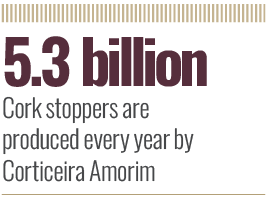
Cork has been part of winemaking history for centuries, but today it is helping to shape a more sustainable future. At the heart of this transformation is Corticeira Amorim, the world’s largest producer and exporter of cork products, recognised for its commitment to natural solutions with a positive environmental impact. Founded in Portugal in 1870, Corticeira Amorim has grown from a family business to a global leader with operations in more than 100 countries. While its product range now extends from flooring to aerospace-grade composites, it remains best known for its high-performance cork stoppers, producing over 5.3 billion a year.

Yet this is far from an old-world industry. With heavy investment in R&D, technical innovation and sustainability, Corticeira Amorim is redefining the role of the humble cork stopper. New data verified by APCER (the Portuguese Association for Certification) confirms that Corticeira Amorim is capable of producing cork stoppers with a negative carbon footprint – making them not only one of the most natural ways to seal a bottle of wine, but also among the most climate-friendly.

A tree that gives back more than it takes
To understand cork’s environmental superpower, you have to start at the source: the cork oak tree. Native to the Mediterranean and central to Portugal’s unique Montado (cork oak forest), the cork oak is the only tree whose bark can regenerate after harvesting. Far from harming the tree, regular stripping every nine years keeps it healthy and allows it to capture even more carbon.

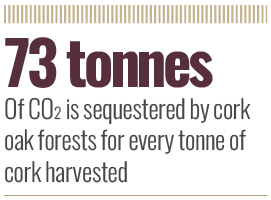
In fact, cork oak forests not only sequester carbon, but also retain it over long periods of time, as the trees live on average for 200 years. According to an investigation cited by Corticeira Amorim, cork oak forests sequester up to 73 tonnes of CO₂ for every tonne of cork harvested. This makes cork a highly effective natural carbon sink, while also helping to preserve rich biodiversity and prevent desertification. Because the carbon is stored in the bark itself, and not just the tree, harvesting and using cork products doesn’t deplete that storage, it extends it. That is a large part of what makes cork-based products like Corticeira Amorim’s stoppers environmentally positive across their life cycle.

The cork industry produces no cork waste in the traditional sense

Stretching across southern Portugal and parts of Spain, the cork oak forest is a unique agroforestry system dominated by cork oaks. It is a delicate balance of economy, ecology and culture that has been sustained for centuries. But cork is only part of the cork oak forest’s story. This system supports a remarkable level of biodiversity, including endangered species like the Iberian lynx and the Spanish imperial eagle. The cork oak itself is vital in preventing desertification, storing carbon and supporting soil health. Unlike monoculture plantations, the cork oak forest offers a model of sustainable land use, where economic productivity and environmental stewardship go hand-in-hand.

Because of its unique environmental, economic, and cultural importance, there is growing support for the cork oak forest to be recognised as a UNESCO World Heritage Site. This would acknowledge not only its ecological value but also the deep-rooted human traditions that have helped preserve it over generations.

Negative carbon footprints
Corticeira Amorim’s recent carbon footprint studies, based on ISO 14067 standards (a standard that provides guidelines for quantifying and reporting the carbon footprint of a product) and verified by APCER, analysed around 60 percent of its stopper portfolio. The results were striking. From natural corks to advanced technical solutions like Spark Top II, all tested stoppers showed a negative carbon footprint, ranging from –28.7g CO₂ eq per stopper to as much as –56.4g CO₂ eq.

That means that each cork not only requires little energy to produce, but also actively removes more carbon than it emits throughout its production cycle – from bark to bottling. For winemakers, the implications are significant. More than half of the greenhouse gas emissions in the wine industry are attributed to the manufacture and shipping of glass bottles. By using cork stoppers, the overall carbon footprint of the wine packaging can be reduced. Switching to cork becomes one effective way to decarbonise operations, without compromising quality or sensory performance. “Cork stoppers continue to be a strong ally for producers of still, sparkling and fortified wines,” says António Rios de Amorim, Chairman and CEO. “In addition to their unique technical characteristics, they make a significant contribution to reducing the overall carbon footprint of wine packaging.”

Sustainability backed by science
Corticeira Amorim’s footprint assessments cover the entire cradle-to-gate journey of the product, from raw material extraction through to the factory gate. This includes all greenhouse gases, not just CO₂, but also methane, nitrous oxide and others, across each life cycle phase.

This method ensures consistency and comparability across different products and manufacturing models, regardless of regional differences in energy sources, transport or recycling infrastructure. It also allows wine-makers, regulators, and environmentally-conscious consumers to make informed decisions based on reliable, third-party verified data.

António Rios de Amorim adds: “At Corticeira Amorim we work daily to develop more sustainable solutions, in line with a continuous strategy to reduce the environmental impact of our processes, while preserving the unique ecosystem that is the cork oak forest.”

Innovation at scale
Every day, Corticeira Amorim produces around 21 million cork stoppers. With three core market segments, still wine, sparkling wine and spirits, the company’s reach spans both the traditional heartlands of Europe (France, Italy, Spain, Germany and Portugal) and major New World wine regions, such as the US and Chile. To support this vast production while ensuring quality and performance, Corticeira Amorim invests heavily in R&D, particularly in the areas of sensory neutrality and trichloroanisole (TCA) detection. Its cutting-edge screening techniques ensure that cork taint (caused by TCA compounds) is effectively eliminated, allowing producers to benefit from cork’s sustainability without sacrificing consistency. This combination of scale, science and sustainability is why so many leading global wineries now view Corticeira Amorim as an integral part of their climate strategy, not just a supplier.

A circular economy
One of Corticeira Amorim’s defining strengths is its commitment to circularity. The cork industry produces no cork waste in the traditional sense. Every off-cut or by-product is transformed into valuable raw material from stopper-grade granules to insulation, flooring and even aerospace applications.

This model ensures that every gram of cork serves a purpose, often in multiple sectors. Corticeira Amorim’s ‘zero waste’ philosophy from cork means that stoppers don’t just close bottles, they open doors to maximise the potential of the Corticeira Amorim cork solutions business across multiple industries from aerospace to automotive. It is a system built not only on innovation, but also on respect for a natural material that has been serving human needs for generations.

Recycling cork: closing the loop
In addition to repurposing manufacturing by-products, Corticeira Amorim leads and supports extensive cork recycling initiatives across Europe and North America. These programmes invite consumers to return used cork stoppers via wine retailers, restaurants and collection points, giving cork a valuable second life.

While recycled cork can’t be used to make new stoppers, it can be transformed into everything from acoustic panels and sports flooring to shoe soles, designer furniture, and car components. This reuse supports Corticeira Amorim’s circular economy principles, extending cork’s lifecycle, reducing waste and preserving its environmental benefits, including carbon retention.

Corticeira Amorim backs several high-impact recycling projects. In Portugal, ‘Green Cork’ supports native reforestation through cork collection. In France, ‘ÉcoBouchon’ combines recycling with charitable giving and now leads globally in cork collection. Italy’s ETICO programme involves thousands of volunteers and supports social causes through stopper donations. A partnership with NH Hotel Group has placed hundreds of collection bins in hotels across Europe, while a South African initiative adds job creation to the recycling effort.

In the US, the ‘Cork Collective’ continues this global commitment to sustainability. Launched in 2024, the initiative is a collaboration between Corticeira Amorim, Rockwell Group, BlueWell, and Southern Glazer’s Wine & Spirits, focused on collecting and recycling cork stoppers from leading hotels and restaurants across New York. Using electric vehicles, the stoppers are gathered from venues including Gramercy Tavern, Nobu and the Marriott hotel chain, then transported to a specialist facility in Wisconsin where they are cleaned, crushed, and repurposed into products ranging from flooring to aerospace materials.

These programmes not only reduce waste but also help inform consumers about the importance of material recovery and sustainable product choices. By extending the value chain beyond the bottle, they make cork a catalyst for environmental engagement, not just in wineries, but in homes and communities around the world.

Tackling barriers to pension planning in Jamaica

Jamaica, a vibrant and culturally diverse Caribbean country, is known for its reggae music, stunning white sand beaches and warm hospitality. However, beneath the surface of this paradise exists a significant issue that is seemingly going unnoticed: low economic protection for people over 65 years old.

Research in 2022 by the International Labour Organisation (ILO) Regional Office for Latin America and the Caribbean uncovered that more than a third of retirees face a grim reality. The ILO report, Overview of Social Protection in Latin America and the Caribbean states, “The proportion of older people without labour income or pension increased from 31.9 percent in 2019 to 34.6 percent in 2020 and 34.5 percent in 2021. This coverage gap is the highest since 2012.”

This alarming statistic represents a disturbing trend and is further exacerbated by the economic challenges Jamaicans currently face coupled with the traditionally limited access to socio-economic protection nets over the years.

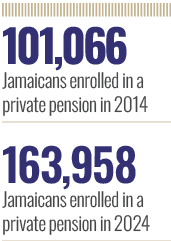
According to the Private Pension Industry Quarterly Statistics published by the Financial Services Commission (FSC) in 2014, Jamaicans enrolled in a private pension arrangement totalled 101,066. Ten years later, the total enrolments stood at 163,958 – a 62 percent increase in enrolments over the period. When one considers that the total working population in Jamaica is approximately 1.3 million, it means that only 12.4 percent of adult Jamaicans have a pension plan. This low adoption is an ominous indicator of Jamaica’s socio-economic well-being.

This reality begs the question, what are the systemic barriers to the broader adoption of pension saving in Jamaica? How can institutions with the ability and capacity work to shift this deep-seated and concerning reality so that there can be more involvement in retirement planning? As part of NCB Financial Group, Jamaica’s largest financial institution (by asset base), NCB Insurance Agency and Fund Managers (NCBIA) plays a vital role in the nation’s financial landscape. This position gives NCBIA unique insight into the economic challenges Jamaicans face. The company is cognisant of some of the nuances that shape the financial behaviour of Jamaicans across savings, investments, insurance, payments, and pensions. From our vantage point in the industry, many of the barriers have been cultural and economic in nature and are at the heart of the slow adoption of pension schemes. Institutions must therefore work intentionally to change this reality as quickly as possible.

Cultural significance of family structure
Jamaicans place a high value on the extended family, where children often provide financial support to their parents in their old age. This cultural norm has been deeply ingrained for generations and has played a significant role in the deprioritising of investments in formal pension schemes. Many Jamaicans believe their children will care for them in their old age, making them less inclined to save for retirement.

While that reality might have held true in times past, many millennials and younger generations now face significant financial obligations of their own such as student loan debt, the cost of housing (either rent or mortgage), and the cost of their own living expenses. This situation creates a conundrum for the older parent and the young adult. In most cases, both prioritise immediate needs over future savings, leaving pension planning as another ‘nice-to-do’ activity.

Reliance on informal economy
Jamaica’s economy has a substantial segment of workers in roles like hairdressing, barbering, vending, carpentry, masonry, plumbing, small-scale agriculture and other independent or casual labour. Participants in this informal economy oftentimes do not participate in formal pension schemes. The reality is that, traditionally, access to such schemes was non-existent outside of being formally employed, leaving individuals to fend for themselves when saving for retirement. This is seen in the behaviour of the Jamaican populace, who rely on less formal financial structures such as ‘throwing a partner’ – a collective non-interest-bearing saving activity.

The reliance on informal ways to save for one’s retirement is further magnified by the fact that, historically, access to a pension scheme was limited to those Jamaicans who were employed by an institution that positioned pensions as an employment benefit. Given this positioning, and despite the advent of approved private retirement schemes, where people in the informal section can set up and benefit from a formal pension arrangement, individuals have still viewed formal pension plans as an option that is either too complicated to understand or something meant for blue-collar employed people or wealthier individuals.

Mistrust of financial institutions
A general mistrust of financial institutions is another cultural barrier to pensions in Jamaica. This distrust is fuelled by various historical and socio-economic factors. The infamous financial meltdown in the 1990s, which resulted in significant losses for investors, left a lasting impression on many Jamaicans. The mistrust has been further magnified by recent and repeated incidents of fraud in the financial sector. Unfortunately, this mistrust has carried over to formal pension planning, as people harbour scepticism about entrusting their hard-earned retirement savings to these institutions. With the deep-seated barriers to wider adoption of pension planning in Jamaica, institutions such as NCB Insurance Agency and Fund Managers have had to implement strategies aimed at making it easier to access pension funds and serve as advocates for the average Jamaican as they seek wider participation in this aspect of financial planning.

Education and awareness
The first step in overcoming cultural barriers is to continue to educate the population about the importance of pensions and long-term financial planning. Public awareness campaigns, workshops, and seminars can help dispel myths and misconceptions about pensions and build trust in the formal financial sector. NCBIA has recently launched a robust public education campaign to help position pension planning as a critical component of one wealth preservation plan. The ‘Retire like a Boss’ initiative seeks to go to the hearts and minds of members of the informal economy, by tapping into their inherent nature to survive in their current lives and using that appeal to encourage them to also thrive after retirement.

This low adoption is an ominous indicator of Jamaica’s socio-economic well-being

Similarly, increased awareness needs to be had around the performance of pension funds and how this augurs well for investors and recipients of pensions. Oftentimes, news of financial and economic challenges highlights the negative performance of invested pension funds.

As the players in the industry advocate for increased participation among Jamaicans, more should be said to highlight the positive performances of said funds. In this vein, NCBIA is proud to boast an enviable performance of its pension funds, delivering a 10-year average composite yield of 11.4 percent as of the end of 2023.

Cultural sensitivity
Policymakers and financial institutions should be culturally sensitive in their approach to promoting pensions. By understanding the strong family bonds in Jamaica, they can emphasise how pension savings can complement, rather than replace, family support in retirement. Similarly, understanding and engaging the new workforce will require financial institutions to rethink how pension planning is positioned. The imagery of the ‘rich old person’ on a beach somewhere, while the desired reality, has not been the experienced reality of many millennials and Gen Zs and their retired parents. As such, creating a vision of the ‘real’ future has to be reimagined by players in the industry and reflected in their efforts to increase the take up of private pension plans.

Ease of access
Pension providers must provide online platforms to allow tech-savvy millennials and Gen Z access to these services without needing to visit a physical location. In addition, customers who engage with financial institutions at physical locations should be introduced to pension planning at all points of onboarding or servicing, given the positive impact a pension arrangement will have on their financial futures. NCBIA is proud to be one of the forerunners in Jamaica in providing a fully digital application process for its clients. Our NCB pensions portal allows clients to select the funds they want their savings to be invested in and select how their savings should be allocated across different funds. Once enrolled, clients can also track their pension fund performance via the portal. Solutions such as this should see a shift in the number of active pension plans in the society sooner rather than later.

The government
Finally, the role of government in creating an enabling environment for pension planning is imperative. In Jamaica, significant work has to be done to make the industry more amenable to modern realities. However, given the threat to the socio-economic fabric of society brought on by a financially unstable and ageing society, it is imperative that the government seriously considers making pension participation mandatory for all persons earning an income in Jamaica. This is a necessary step in rapidly improving the retirement fortunes of hundreds of thousands of Jamaicans. Organisations such as the Pensions Industry Association of Jamaica, of which NCBIA is a part, continue to lobby for the adoption of automatic pension enrolments, and this forms a key pillar in our advocacy strategy for the well-being of Jamaicans. In fact, the Jamaican government has already taken positive steps through the creation of the Tourism Workers Pension Scheme, which is a positive step in the right direction. NCBIA is of the view that this approach, applied nationally, will usher in a better day for so many hard-working Jamaicans.

In conclusion, Jamaica’s cultural and economic barriers to pension planning adoption are deeply rooted and multifaceted, making them challenging to address. However, with the right mix of education, innovation, and government support, these barriers are gradually being overcome. Pensions are not just for the office worker, the well-to-do, or the sophisticated investor. Living one’s best life after retirement should be an expectation for all Jamaicans, and this is the mantra that continues to drive us at NCBIA as we play our part in building a better Jamaica.

Race to the bottom: The reckless rush to mine the deep sea

Imagine diving into the deep blue waters of the open ocean, approximately 500 miles southeast of Hawaii. At first, there would be some sunlight, but this would soon fade as you begin your descent. By about 650 feet, there is no longer enough light for photosynthesis to occur, and by 3,000 feet, light no longer penetrates at all. You have entered a strange new world, one where remarkable creatures have adapted to the crushing pressure and constant darkness.

Once you hit 12,000 feet, you have reached your deepwater destination. This is the Clarion-Clipperton Zone, a vast abyssal plain as wide as the continental US. Little is known about the creatures that live at these depths, with over 88 percent of the region’s species thought to be entirely new to science. But as well as being rich in marine life, the zone is also home to another source of extraordinary value – untapped stores of critical minerals.

Seabed mining represents a step into a fragile and vulnerable unknown

According to some studies, the Clarion-Clipperton Zone could contain more cobalt, nickel and manganese than all terrestrial reserves combined, making it an area of extreme interest for mining companies and governments alike. Back on dry land, the global race for critical minerals is heating up. Considered to be the ‘new oil’ powering the international economy, rare earth elements and critical minerals are needed for much of our modern technology, and will be crucial to fuelling the green energy transition in the years to come. As a result, demand for critical raw materials is soaring – and so is competition. In a bid to get ahead in the race to the seafloor, US president Donald Trump recently signed an executive order aimed at fast-tracking deep-sea mining activities in both American seas and international waters. The controversial move has been widely condemned by scientists and environmental campaigners, who are concerned about the impact of commercial seabed mining on some of our world’s most ecologically important habitats. Yet despite alarm bells ringing on all sides, the Trump administration looks set to forge ahead with activities on the seafloor, in an effort to “counter China’s growing influence over seabed mineral resources.” But as the US looks to the deep sea as its next geopolitical battleground, it risks sailing into uncharted waters.

Treasures of the deep
For decades, miners and traders have theorised about the mineral treasure trove of the world’s seabeds. Now, for the first time, mining technology might be ready to make their vision a reality. Commercial deep-sea exploration is gaining momentum, with nations including China and India carrying out mining tests in both territorial and international waters. And while commercial-scale seabed mining is yet to begin in earnest, 2025 could be a defining year for the controversial practice.

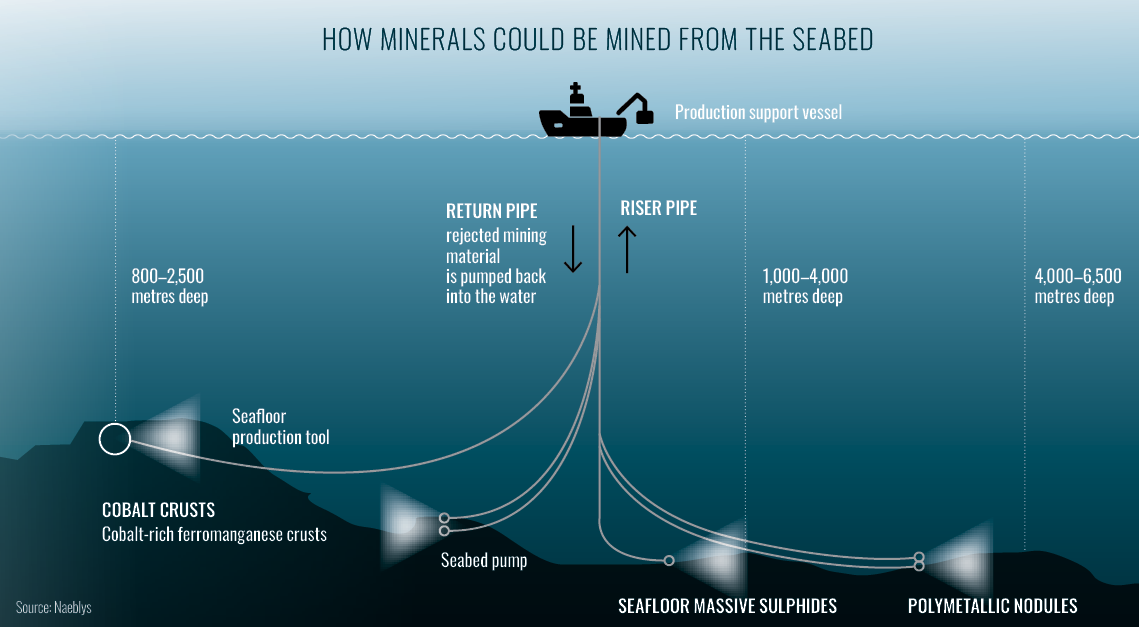
Amid the great rush for critical minerals, private companies and politicians are turning their attention to the deep sea, where significant reserves of precious metals can be found in potato-sized ‘polymetallic nodules’ on the ocean floor. First discovered in Siberia’s Kara Sea at the end of the 19th century, these slow-forming nodules contain rich concentrations of metals, including nickel, cobalt, copper and manganese.

Deep ocean polymetallic nodules rich in manganese, copper and cobalt

The scientific expeditions of the HMS Challenger in the 1870s found evidence of polymetallic nodules in most of the world’s oceans, with clusters covering more than 70 percent of the sea floor in some locations. Now, over a century on from the Challenger expeditions, economic interest in these mineral-rich nodules is gaining traction.

Exploratory deep-sea mining began in the 1970s, and in 1994, the International Seabed Authority (ISA) was established to regulate mineral-related operations on the international seabed. As of 2025, the ISA has granted 31 contracts for ocean-floor exploration, with China, Russia and South Korea leading the pack. Taken together, these contracts cover over 1.5 million square kilometres of the seabed – representing an area four times the size of Germany. With companies working up further plans for full-scale commercial operations, it seems that the race to the bottom of the sea may now be underway, despite concerns that the risks of deep-sea mining are not yet fully understood.

Mining at the earth’s surface is an extremely destructive process. The extraction of minerals from the earth involves extensive clearing of land, and can result in habitat destruction and biodiversity loss, as well as the contamination of soil and groundwater. Once extracted, minerals must then be processed before use – a water-intensive operation that releases carbon dioxide and other greenhouse gases into the atmosphere. If surface-level mining is any indication, the mining process for the deep sea will be both intensive and invasive. Deploying heavy mining equipment on the seabed would disturb delicate ecosystems that have – until now – been largely untouched by human activity. And, with the deep sea holding many mysteries, seabed mining represents a step into a fragile and vulnerable unknown.

Life finds a way
The deep sea is the largest ecosystem on the planet, accounting for around 90 percent of our oceans. But its high pressure, constant darkness and perpetual cold conditions make it a challenging environment for us land-based mammals to access, as very few research vessels are capable of surviving the journey into the deep, dark abyss. Despite decades of study, the deep sea remains poorly understood, with 80 percent of our oceans entirely unexplored. What scientists are certain of, however, is the abundance of life in the deep.

It was once thought that life without sunlight was impossible, but the 19th century brought a host of breakthrough discoveries that challenged this long-held belief. Then in 1977, a team of marine geologists made a discovery that would completely redefine our understanding of requirements for life in the deep sea: hydrothermal vents. Found on the ocean floor in more volcanically active areas of the globe, hydrothermal vents can be thought of as underwater geysers, releasing a steady flow of heat and chemicals into the water around them. Here, large clams, human-sized tube worms and other unique organisms are able to thrive by converting chemicals from the vents into energy, in a process known as chemosynthesis. Thanks to these underwater hot springs, rich ecosystems are flourishing in even the most extreme conditions. With new organisms regularly being discovered in the deep, scientists now believe that as many as 10 million different species may live in waters deeper than 200 metres. And while life at these depths is plentiful, it is also fragile.

The economic merits of deep-sea mining are still far from clear

The extraordinary creatures of the deep are delicate organisms, and are more sensitive to change than those living in the shallows. Slight shifts in temperature, oxygen levels or pH can have a significant impact on organisms that have adapted to the stable environment of the deep ocean. Life also moves at a slower pace in the deep, with organisms taking a long time to grow, and recovering slowly from any disturbances. Polymetallic nodules are thought to take tens of millions of years to reach the size of a small potato, with some scientists estimating a growth rate of between one and three millimetres per million years. These nodules are an important habitat for many deep-sea fauna, and their removal or disruption could drastically unbalance this delicate ecosystem.

Above the seafloor, deep-sea mining may have other unintended consequences for marine life. The light pollution from mining vessels could be disruptive and disorientating to organisms that have adapted to minimal sunlight. Ocean noise pollution already impacts how marine mammals communicate and navigate, and increased noise from heavy machinery could further threaten whale and dolphin populations that rely on sound to feed, migrate and reproduce. Discharge and waste products from intensive mining activities could spread over vast distances, posing a threat to open ocean fish. Plumes of fine sediments are already known to damage respiratory and feeding structures in fish, and could easily be stirred up by collector vehicles working on the seabed. While the full impact of mining this vast and mysterious environment is still uncertain, it is clear that it would have significant and long-lasting consequences that stretch far beyond the seafloor.

Crossing the rubicon
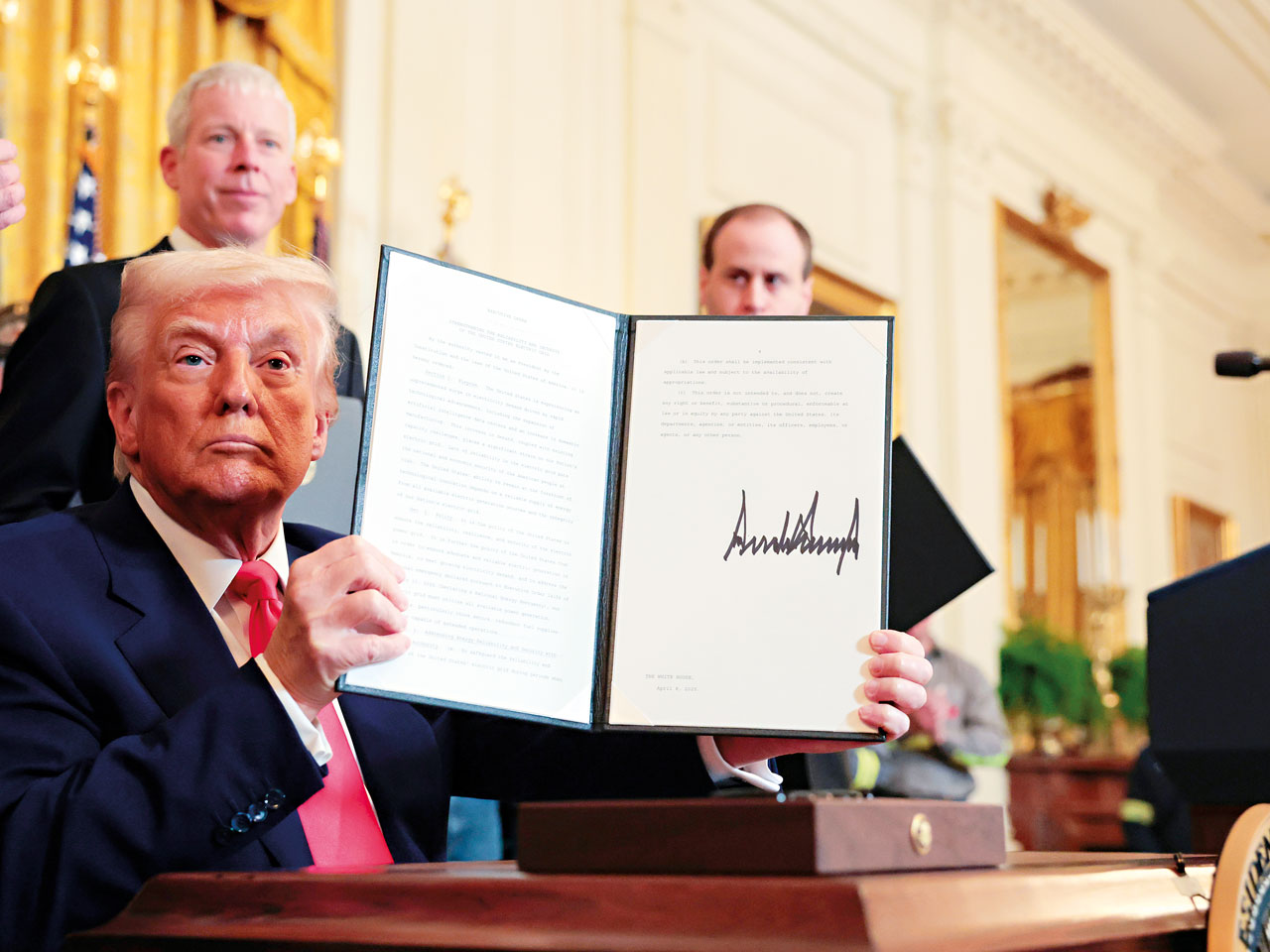
Even as scientists and campaigners sound the alarm bells on deep-sea mining, interest in the controversial practice continues to grow. In April, President Trump signed an executive order to increase seabed mining activities in US and international waters, marking his latest bid to increase America’s access to critical minerals.

President Trump signs executive order on energy production

The order, which is unprecedented in its support for the practice, directs federal agencies to expedite the process for reviewing and issuing permits for mining the seafloor, both in US waters and in “areas beyond national jurisdiction.” Once implemented, the order will make it easier for private companies to begin commercial mining operations in earnest – essentially allowing them to proceed outside of any international frameworks.

While the ISA has set regulations on seabed mining, the US is the only major global economy that is not a member of the organisation, and does not recognise its authority. For years, the ISA has been working on a mining code, which would set further international standards for deep-sea mining operations. This long-delayed code would require all seabed mining activity to adhere to rules on waste products, discharge depths and environmental mitigations when occurring in international waters. The organisation is set to meet in July of this year, with a view to finalising its code, but Trump’s executive order gives little heed to these ongoing negotiations.

In fact, the order appears to bypass any burgeoning multilateral agreements on deep-sea mining, in a move that China says violates international law. “The US authorisation violates international law and harms the overall interests of the international community,” Chinese foreign ministry spokesman Gu Jiakun said after the order was signed.

The race to the ocean floor is as much about political power as economic necessity

And China is not alone in its criticism of Trump’s push into international waters. The executive order puts the US at odds with the rest of the world on this issue, as mounting environmental concerns have started to curb initial enthusiasm for the controversial practice. In December, the Norwegian government announced a one-year pause on its plans to start mining its seabed, after previously voting overwhelmingly in favour of launching seabed operations. Elsewhere, more than 30 countries – including Germany, Spain, Canada and the UK – have called for a 10-year moratorium on the practice, while French president Emmanuel Macron has backed a complete ban on deep-sea mining. A growing number of private companies also support a pause on seabed mining activity, with car manufacturers such as BMW, Renault, Volvo and Volkswagen all pledging not to use deep-sea minerals in their vehicles. Tech giants Google and Samsung have also announced their support for the global moratorium, promising not to use seabed minerals in their supply chains until the environmental risks are “comprehensively understood.”

Amid these growing calls for caution, the US is set to take a very different path. But even as the Trump administration gears up to fast-track permits, the economic merits of deep-sea mining are still far from clear.

Need or greed?
Supporters of deep-sea mining argue that they are motivated by economic necessity. It is true that the global demand for minerals is growing, and access to raw materials is becoming increasingly politicised in this new era of heightened US protectionism. By some estimates, demand for minerals could increase by nearly 500 percent by 2040, as countries race to scale up their decarbonisation efforts. Yet it is important to remember that demand forecasting is not an exact science. Projections are subject to highly changeable factors, including economic shocks and shifting consumer demand. The future needs of the rapidly evolving technology sector are particularly difficult to predict, given the current pace of change. Advances in artificial intelligence, machine learning and robotics have increased the pace of change tenfold, making long-term demand forecasting ever more challenging for analysts.

French President
Emmanuel Macron

Indeed, despite warnings of a global scramble for lithium, nickel, copper and cobalt, supply has largely outstripped demand in recent years. Global production of lithium hit a new high in 2024, but weaker-than-expected demand for electric vehicles contributed to a surplus of almost 154,000 tonnes of the mineral last year alone. Similarly, a boom in the Indonesian nickel industry has seen three consecutive years of oversupply, and nickel prices have almost halved since 2022 as a result. Production of cobalt continues to exceed demand, with prices plummeting to their lowest level since 2016, while the copper market is facing its largest glut in four years.

Along with overproduction, shifting trends in the tech sector have impacted the global minerals market of late. Cobalt has traditionally been a key component in many electric vehicle batteries, but some manufacturers are now moving towards battery designs that use more sustainable elements. Tesla, the world’s second-largest manufacturer of electric vehicles, already uses cobalt-free batteries in half of its fleet, while other leading firms are pioneering their own new battery chemistries. Recycling technologies are also becoming ever more efficient, helping to relieve pressure on future demand for critical minerals. According to the International Energy Agency (IEA), a successful scale-up of mineral recycling could reduce the need for new mining activity by 25 to 40 percent by 2050.

In EV production and beyond, these shifts are having a significant impact on mineral supplies, prompting analysis to question whether deep-sea mining is really necessary to meet demand. Studies indicate that there is no real shortage of mineral resources on land, but for some proponents of seabed mining, the economic lure of the deep sea is hard to resist. The Trump administration estimates that deep-sea mining could boost US GDP by $300bn over a 10-year period, and create approximately 100,000 jobs. Even if this vision is realised, however, any economic benefits will surely come at a great environmental cost.

Troubled waters
As mining companies ready themselves for their first deep-sea operations, it is becoming increasingly clear that the race to the ocean floor is as much about political power as economic necessity. On dry land, Beijing dominates global supply chains of critical minerals and rare earths. According to the IEA, China accounts for 61 percent of rare earth mineral production and 92 percent of their processing, giving it a near monopoly over the supply of some of the world’s most valuable raw materials.

China’s Deep Sea No.1 Gas Field Phase II Platform Jacket

“While the Middle East has oil, China has rare earths,” the former Chinese leader Deng Xiaoping famously declared on a visit to one of Inner Mongolia’s largest mineral mines. Since the 1980s, China has been ramping up its rare earth mining activities. Decades of state-backed investment in its domestic processing industry have established China as the global leader in critical minerals, able to effectively decide which countries and companies receive supplies of these crucial resources.

Amid the ever-escalating US-China trade war, Beijing has dramatically curbed its mineral exports to the US, revealing just how dependent America is on these vital imports. Across the Atlantic, meanwhile, the EU is similarly reliant on China for many critical minerals, including 100 percent of its heavy rare earth metals. In an era of heightened geopolitical tension, this high level of dependency leaves the bloc vulnerable and exposed to global economic shocks.

While the EU and the US are both looking to become more self-sufficient in mineral extraction and processing, it will be difficult for any major power to challenge China’s dominant position in the critical mineral sector – at least at sea level. By setting its sights on the ocean floor, the Trump administration may be seeking to reshape the balance of power on the global stage.

“We want the US to get ahead of China in this resource space under the ocean, on the ocean bottom,” a US official told the BBC upon the signing of the controversial order.

Potential exploitation
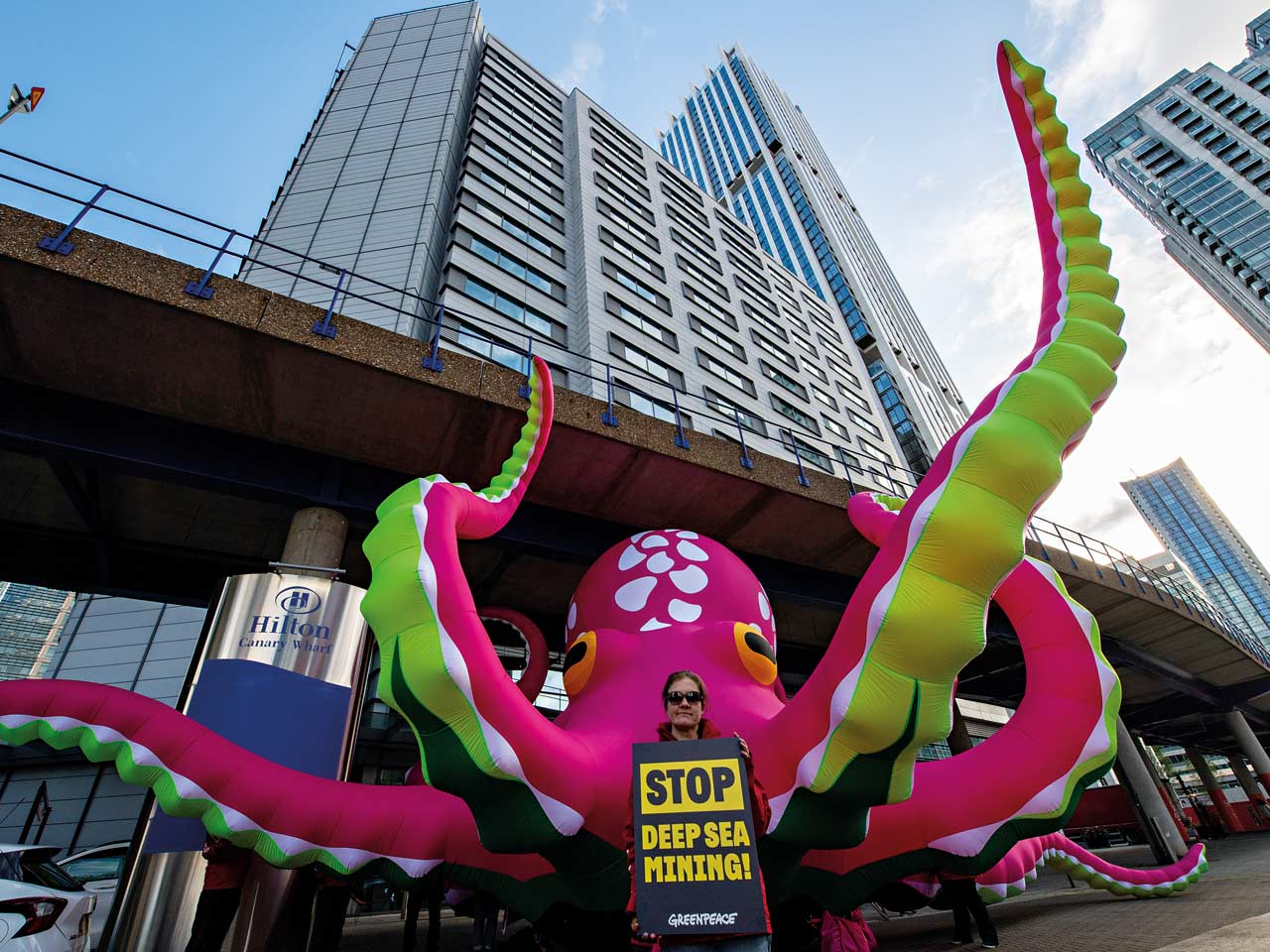
In the ongoing Sino-American trade war, the international seabed could become the next geopolitical arena. Until now, deep-sea mining tests have followed the ISA framework, but Trump’s executive order may set a new precedent. If implemented, the order could allow commercial companies to effectively bypass the multilateral regulations imposed by the ISA, opening up the international seafloor to potential exploitation.

Greenpeace protests outside the annual Deep Sea Mining Summit

The 1982 United Nations Convention on the Law of the Sea recognises that the ocean floor is ‘the common heritage of mankind,’ and that it is ‘beyond the limits of national jurisdiction.’ Significantly, the US stands alone as the only major economy that has not ratified the treaty, and now appears to be creating its own rules on exploiting seabed resources. If other nations follow suit and break with the Law of the Sea treaty, then a scramble for the international seafloor could commence.

Our oceans make all life on Earth possible, and are home to delicate ecosystems that we are just beginning to comprehend. The exploitation of these resources is not just an economic question – it is an existential one. As companies ready themselves to take the plunge, we risk causing irreversible damage to the very heart of our planet. Whether we are willing to further endanger the health of our oceans for the sake of winning the minerals race is something all nations ought to carefully consider. The fate of entire ecosystems depends on the decisions we make today – and there is no going back.

Cooperative banking and insurance: a proven resilient model

In a year of ongoing economic uncertainty and global challenges, Crédit Mutuel has emerged with strong financial results and a clear strategic direction, which is a testament to the strength of its diversified banking and insurance model. With a focus on long-term value creation, operational efficiency, and a mutualist ethos, Crédit Mutuel continues to distinguish itself.

In this interview, Crédit Mutuel reflects on the drivers of its 2024 performance, its priorities for 2025, and its growing role in supporting the energy transition and addressing climate risks. The conversation also reinforces the group’s deep commitment to its founding values of solidarity, responsibility, and service to the common good.

What is your analysis of Crédit Mutuel’s performance in 2024?
Crédit Mutuel group, France’s third-largest banking group, is demonstrating the strength of its diversified banking and insurance model with net income of more than €4.5bn in 2024. Crédit Mutuel group’s excellent operating efficiency continued to drive its net revenue, which reached €19.3bn, confirming the vigour of its business growth. Net income, up 50 percent over the last 10 years, bears witness to the relevance of Crédit Mutuel group’s business model. Founded on the principles of freedom, responsibility, solidarity and subsidiarity, it enables us to make long-term strategic choices and ensure long-term profitability to meet the needs of our members and customers. The mutualist group continues to demonstrate that diversification, innovation and commitment to the common good, notably through value sharing, are key factors for navigating this period of political and economic turbulence with resilience. Backed by the commitment of its 87,000 employees and nearly 20,000 elected representatives, serving its 37.8 million retail, professional and corporate customers and members in France and Europe, Crédit Mutuel group once again demonstrated its efficiency, with a cost/income ratio that improved significantly by 1.5 points to 57.7 percent. Crédit Mutuel group’s financial solidity was fully confirmed with a CET1 ratio of 19.4 percent.

What are the drivers of this financial performance?
This result is based on three key pillars: strong commercial momentum, leading financial strength, and continued improvements in operational efficiency. We remain the leader in France in this area, with the best cost-to-income ratio.

What are the group’s current priorities?
We will work to strengthen our resilience and to advocate for the cooperative and mutual banking model at both European and international levels. We firmly believe that the cooperative model is a true asset in today’s world, and the values it embodies resonate strongly with the aspirations of younger generations.

What is the Crédit Mutuel group doing to address the environmental challenge?
In view of the issues of global warming, loss of biodiversity and damage caused by exposure to climate hazards, Crédit Mutuel group stepped up its eco-responsible initiatives and offerings to support its customers in their ecological and energy transition projects. In addition to strong strategic ambitions, in 2024 Crédit Mutuel group continued to integrate climate and environmental risks into its overall risk management and developed a methodology for assessing its customers’ geographic exposure to climate hazards. This methodology is an invaluable tool for assessing environmental and climate risks by sector, as well as providing a framework for internal stress testing of climate risks. Through these commitments, Crédit Mutuel group is committed to reducing its negative impacts, in particular on climate and the environment, for the benefit of all its stakeholders, and in particular its members and customers. Driven by a shared determination, all the group’s networks are taking increased steps to help transform our economy in environmental terms and create a trajectory in line with the Paris Agreement.

What would be the ideal for a bank like Crédit Mutuel?
It would be – and in fact, it is – to remain deeply mutualist, useful, and supportive, in the service of clients, members, and society as a whole. Mutualism remains our founding principle and at the heart of our movement. Our goal is to be both supportive and efficient – to become ever more efficient in order to be even more supportive.

The great offshore tax exodus

To an outsider, offshore tax havens might look like minor jurisdictions on a map, but for the world’s most wealthy, they are anything but, acting as mechanisms for protecting and controlling vast sums of money. There has always been a distance between wealth and visibility, whether through the turquoise shores of the Cayman Islands or the golden vaults of Swiss banks. But in a sudden reversal, these very havens that once promised discretion and protection no longer work quite like they used to.

Offshore finance rarely disappears. Instead, it adapts to changing rules and oversight, while steadily continuing to grow in scale. Estimates suggest that between $21trn and $32trn of global financial assets are now held offshore, although the confidentiality of these jurisdictions makes reliable figures few and far between. The Tax Justice Network believes that the world loses around $427bn in tax revenue every single year to these illicit arrangements.

But tax avoidance is not the simple affair it once was. Traditional secrecy jurisdictions face greater pressure under OECD’s Global Minimum Tax and Reporting Standard, which has made the once convenient offshore loophole more visible and costly. In response, the ultra-wealthy are not retreating, they are adapting.

When old tricks stop working, new ones take shape. Today’s high-net-worth individuals find refuge in dual passports, tax-friendly residencies, DeFi platforms and the odd private island thrown in for good measure. Some of these choices offer genuine financial advantages; others arguably offer the illusion of escape. Still, the inventiveness of these workarounds suggests that the offshore mindset remains firmly intact, only now it is just more scattered across the globe and less reliant on the familiar offshore havens.

Adaptation of traditional tax havens
Burying fortunes in offshore sand is not impossible today, but it is far more difficult than it once was. With stricter regulations in place about greater transparency, financial havens are finding it difficult to operate under the radar as they once did. Leading the way is the OECD, whose two big initiatives, the Common Reporting Standard (CRS) and Global Minimum Tax (GMT), are directly challenging the structure of offshore finance. The CRS launched in 2014 and changed everything by requiring financial institutions to share information on foreign account holders within their legal domicile. According to Tax Justice UK (TJUK), “The CRS has helped reduce tax evasion, not only because of the foreign account information that countries got, but also because it has caused a deterrent effect.” The mere threat of being exposed has prompted many to come clean.

Traditional tax havens haven’t vanished, they have just adapted

But even the CRS has its limits. “There are many loopholes still,” Tax Justice UK warned. Not every country participates – especially developing countries that lack the infrastructure to cooperate. The US opted out of joining, relying on its own regime, FATCA. “The US receives a trove of information, but shares little in return,” TJUK explain.

Then came the OECD’s Global Minimum Tax, introduced in 2021, a supposed fix for profit shifting. On the surface, it may seem like trouble for tax havens, but upon digging deeper things aren’t quite as clear cut. As Tax Justice UK puts it, “Pillar two was never about tax avoidance, but about minimum taxation.” What this means is that it doesn’t prevent companies from moving profits to tax havens; it simply ensures that at least 15 percent tax is collected on those profits. Ironically, this made the proposal appealing to some low-tax jurisdictions, as they saw it as a way to profit while technically adhering to the rules.

The GMT’s coverage is also limited. Only multinational groups with revenues over €750m are covered, excluding a substantial portion of influential companies. Because of its complexity, the system is challenging for countries with fewer resources to implement, often the very ones that are hit hardest by tax avoidance. “These are the countries that suffer the most from tax avoidance in proportion to their budget,” Tax Justice explains. Ultimately, a solution that neglects the Global South cannot effectively be considered a global solution.

Despite the tight fiscal regulations, traditional tax havens haven’t vanished, they have just adapted. Jason Sharman, Professor of Politics and International Studies, who spent years researching offshore finance and tax havens, commented: “Offshore financial centres in general are doing fine, there is probably more money offshore than ever before, subject to the caveat that it is harder than it might seem to distinguish ‘offshore’ from ‘onshore.’” They have re-emerged as sophisticated destinations for transparent and compliant wealth management. The Caymans maintain a register of beneficial ownership, a clear reversal from how things ran in the past. Although it wasn’t entirely self-initiated, it was a response to escalating international expectations. In November 2023, the Cayman Islands passed the Beneficial Owner Transparency Act, which came into effect in July 2024. The law broadened the rules around disclosure, requiring entities that were previously excluded like exempted limited partnerships and foundation companies, to identify and report their beneficial owners.

Although tax-friendly options have stayed high in demand, now we are seeing them take very different forms from that which we are used to. Citizenship-by-investment (CBI) schemes are growing massively in popularity, offering passports to wealthy individuals looking for flexibility. The OECD is pushing back, but as with past efforts, opportunities may develop faster than it takes the regulations to respond.

So, are tax havens on their way out? Not exactly. But the days of undisclosed dealings and no accountability are possibly behind us. Today, it is getting more expensive to comply with time and resources, regulatory loopholes are narrowing, scrutiny is unrelenting. In the words of Tax Justice UK, “Even before the new Trump administration, parts of the package were faltering, and now even the global minimum tax has an uncertain future.” It is not so much that tax havens are vanishing, but it is that they no longer look or operate as they used to. The traditional model is replaced by new and more compliant forms of wealth management. In this sense, ‘decline’ is more about evolution than extinction. History shows us one thing for certain: where wealth flows, new solutions follow.

New strategies and familiar goals
In place of secluded financial havens stands a whole new spectrum of strategies designed to optimise tax efficiency. Whether we are talking digital currencies, decentralised financial platforms, second citizenship schemes or entire private island developments, those looking to safeguard their wealth have had to become more resourceful in recent years. While traditional tax havens aren’t irrelevant, they are in the midst of significant change. The tighter regulations, greater political pressure, and need for transparency has become more pronounced and pushed the industry to adapt. Some of these adaptations are pushing the limits of legality, while others are challenging ethically. But all of them signal one thing: offshore wealth isn’t going away any time soon, it is just getting more sophisticated.

The second passport boom
As touched upon, one of the most talked about trends in recent years has been the rise of Citizen-by-Investment (CBI) schemes. These initiatives, granted by countries including St. Kitts and Nevis, Malta, Vanuatu and many more, allow individuals to purchase citizenship in exchange for investments, often in real estate, government bonds or direct payments to state development funds. Since 2014, Eastern Caribbean countries alone have issued over 100,000 CBI passports, which just goes to show the growing popularity of these schemes across markets globally.

Those looking to safeguard their wealth have had to become more resourceful

But are these schemes undoubtable game-changers for tax avoidance? Not everyone is convinced. Professor Sharman comments, “The potential of CBI for tax evasion is vastly over-hyped and makes no sense. With the exception of the US, tax is based on residency, not citizenship. I am an Australian living in Britain; this doesn’t mean I am exempt from UK tax.” Still, some researchers say the story doesn’t end there, as recent data shows a more complex picture of how CBI schemes may, in practice, enable financial opacity. A 2023 study published in the Journal of Public Economics found that countries introducing CBI programmes experienced a significant rise in cross-border bank deposits in tax havens, suggesting that second passports may be used to sidestep automatic information exchange between countries. Since tax havens typically share financial data based on the account holder’s citizenship, not residency, CBI can be used as a loophole. A new passport can allow individuals to open accounts under their new nationality, potentially shielding those assets from their home country’s tax authorities. As the study puts it: “CBI programmes offer citizenship rights in return for a financial investment or donation as low as $100,000. If the tax evader uses the acquired citizenship to open a bank account in a tax haven, the tax haven will exchange tax information with the country of acquired citizenship – not the actual country of (tax) residency. CBI programmes enable tax evaders to escape tax information exchange.”

Further supporting this concern, research from the EU Tax Observatory showed that jurisdictions with high-risk CBI programmes, such as Dominica, St. Lucia, Cyprus, Grenada, Malta and Vanautu, saw bank deposits in tax havens increase up to 55 percent after their CBI schemes were launched or expanded.

DeFi frameworks allow cross-border transactions that are difficult to trace, regulate, or tax

So, while CBI initiatives may offer lifestyle perks such as visa-free travel or a hedge against political uncertainty, their potential to encourage a lack of financial transparency still remains controversial. Some argue they facilitate corruption, contribute to housing crises in smaller economies and undermine the push for tax transparency internationally. As Tax Justice UK explains, “Citizen-by-investment programmes have negative spillovers in other jurisdictions and we have seen high-profile cases where authorities challenge the validity of these schemes.”

Heavily debated? Undoubtedly. Misused? At times. But at the end of the day, a second passport can bring leverage and freedom, regardless of the reason someone is reaching for it.

Offshore goes digital
If CBI is a political workaround, then decentralised finance (DeFi) is the technological one. Built on blockchain technology, DeFi platforms create a world where you can lend, borrow, trade and invest without ever stepping foot in a bank. No middlemen, no paperwork, just code. In theory, it is financial freedom, giving users total control and instant access to powerful tools. But in practice? It comes with its own unpredictable challenges.

Cryptocurrencies and DeFi frameworks allow cross-border transactions that are difficult to trace, regulate, or tax, especially when users rely on self-hosted wallets or anonymous profiles. Still, sceptics say the hype often exceeds reality. “Crypto is not even that great for evading taxes or laundering money; cash works better,” Sharman puts it bluntly.

Tax Justice UK shared its concerns – not about crypto’s effectiveness, but about the lack of oversight. “DeFi provides greater risks of tax avoidance because unlike in the case of traditional finance, the middleman is automated – merely a smart protocol on the blockchain.” But, they note, “there was a person involved in putting this protocol there, owning, managing or earning income off it. It is a matter of creating the right reporting liability. The problem is that the technology evolves much faster than government can keep up.”

Offshore wealth isn’t going away anytime soon, it is just getting more sophisticated

In practice, DeFi operates in a grey zone: transactions can be difficult to trace without an identity being linked, but once that link is made, the full transaction history is laid bare. In fact, a study by the National Bureau of Economic Research estimated that the average amount of unpaid taxes among crypto non-compliants ranges between $200 and $1,087 per person per year. So, while many crypto investors fail to declare their holdings, each typically owes a modest amount of taxes which, across millions of users, adds up to a substantial loss in public revenue.

In response, institutions globally are ramping up their regulations. The OECD’s upcoming Crypto-Asset Reporting Framework (CARF), set to take effect in 2026, is designed to bring crypto transactions under the same level of reporting and transparency as traditional financial accounts. But as with the Common Reporting Standard (CRS), implementation may be sporadic, particularly in developing countries, which often lack the technical capacity to participate fully.

The irony is that this blockchain, which is known for its privacy, is also an irreversible public ledger. Once linked to an identity, a user’s entire transaction history becomes visible. Crypto isn’t invisible, it is permanent. This divide could make DeFi an effective tool for transparency or expose a plethora of financial misconduct.

Private islands and floating states
The most literal take on going offshore might just be this: buying your own island. What once felt like cinematic fiction is now becoming a reality for ultra-high-net-worth individuals looking for seclusion, control and a place to entirely call their own. Some are even taking it a notch further by developing ‘seasteads’ or floating city states designed to have minimal government oversight. One such example is Freedom Haven, a project in the South Bay of Bengal designed to create a community outside any nation’s Exclusive Economic Zone, providing a new form of governance with self-sovereignty and the freedom to experiment with alternative systems that avoid traditional state regulations.

But experts remain unimpressed. “Attempts at the creation of self-governing territories have been going for at least 50 years, they have always been flops and farces,” says Sharman. “I don’t see anything changing.” While appealing in theory, the logistics and legal hurdles in creating these unrestricted private jurisdictions are enormous. A lot of these projects become unsuccessful or end up rebranded as high-end real estate ventures, rather than actual self-governing communities. Nevertheless, the idea still holds a certain allure. As surveillance tightens and financial oversight expands, private islands stand as the dream escape, not just from taxes, but from accountability all together.

What can be done
Everyone has got their own theories on how to tackle tax avoidance, but let’s be honest, the solution will always change depending on where you are standing and who stands to gain. Tax Justice UK calls this the ABCDEFG3.

“To guarantee wealthy individuals and corporations pay their fair share of taxes we need the ABCDEFG3. That starts with the ABC of tax transparency: automatic information exchange, beneficial ownership transparency through public registers for companies, trusts and other legal vehicles, and public country-by-country reporting for multinationals. Then there is the DE of domestic measures to ensure transparency results in effective accountability, through the disclosure of sufficient public data, and enforcement by well-resourced and operationally independent tax authorities.

“The FG2 covers the international elements: formulary apportionment with unitary taxation, to end corporate tax abuse by ensuring that profits are taxed in the location of the real, underlying economic activity; governance reform, centred on the establishment of a genuinely, globally inclusive process for the setting of tax rules and standards, under UN auspices; and a Global Asset Register (GAR), to connect and broaden the range of beneficial ownership registers across all legal vehicles and high-value assets, across jurisdictions, to provide a critical tool against abuse of tax regulations and sanctions.”

“Finally, G3 stands for good taxes – a catch-all covering a progressive and effective overall tax system, and significant individual components of the tax justice agenda including wealth taxes, climate-related tax measures, excess profits taxes and minimum effective tax rates.” Apostolos Thomadakis, Head of Research at the European Capital Markets Institute, isn’t one to mince words when it comes to tax evasion. In a report for the Centre for European Policy Studies, he laid out his clear and pragmatic vision. “The progress made has been substantial,” Thomadakis acknowledges. “But much remains to be done.” For him, confronting offshore systems and modern forms of tax dodging means moving promptly and decisively.

“Implementation should be enforced, not only with the automatic exchange of information, but also in the context of beneficial ownership registries. Information exchange frameworks should be adapted to the current realities (crypto-assets), and the assets falling under their scope should be expanded (real estate, art and gold). Tax authorities need to be equipped with all the necessary tools (artificial intelligence) and rules that will allow them to identify tax compliance risks and to process the data collected.” But technology won’t fix a broken system alone. “International cooperation and communication between jurisdictions and different standard-setters should be strengthened, as well as in-country communication between the relevant authorities,” he says.

Whether it is regulators, compliance authorities or oversight institutions, Thomadakis wants everyone on the same page, working together in a way that can keep up with the pace of today’s financial scene.

A system built to survive
Offshore finance isn’t what it used to be, and neither are the reasons people use it. What once operated with little oversight now runs through legal grey zones, regulatory gaps, and sophisticated planning. It is no longer just about outright tax evasion anymore; it is about protecting assets, managing uncertainty, and dealing with a more fragmented international landscape. As Tax Justice UK puts it, “Tax havens and secrecy jurisdictions did not come into being overnight, and they won’t disappear quickly.” Much of that resilience lies in the fact that “the financial sector is captured by a tax avoidance industry,” which they argue “negatively impacts the democratic process and how well the economy works for regular people.”
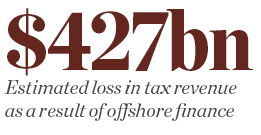
So, what now? The intention to take action hasn’t disappeared. “There is still clearly political will,” TJUK says, “which often stems from popular dissatisfaction with tax abuse from big multinationals and wealthy individuals.” Even in a world where international cooperation feels very strained, they suggest that tax policy may be one of the few areas that is making steady progress. By 2027, a new UN tax convention, backed by countries in the Global South, could fundamentally change how international tax cooperation works.

Perhaps the most unpredictable influence is the US. Under President Trump, the US pulled back from OECD initiatives and slowed progress, often influencing the direction of talks, only to withdraw when an international agreement was close. “The withdrawal of Trump and the US may have a positive impact on the field of international tax cooperation. This is because in the last decade the dynamic has been that the US has tried to control the direction of cooperation on several occasions. They take the negotiations in the directions they prefer, and at the last moment they end up abstaining from participating,” TJUK explained.

They suggest that the US’ decision to step back from these negotiations, whether by abstaining or taking a more confrontational stance, might actually remove a longstanding obstacle. Without that involvement, there may be space for other countries to move forward effectively. There is no doubt it is a complicated situation, but the push for a fair tax system is still very much in motion. If anything, changing geopolitical influences could open the opportunity for a stronger, more balanced international tax framework, depending on how EU countries respond.

Tax policies globally have long been influenced by those with the loudest voices and the deepest pockets. But with the US retreating from international negotiations surrounding tax, it might give other countries the space to push for reforms that better reflect those that are most affected but heard the least. Still, change won’t come easily.

The offshore system often adapts more quickly than the regulations designed to contain it. Even if new regulations tighten, those determined to protect their wealth will always have the incentive to look for the next loophole, jurisdiction or digital workaround. Whether it’s decentralised finance or second passports, strategies today are harder to trace and are increasingly designed to stay just within the bounds of legality.

What has really changed is not the intent, but the method. And unless regulations keep pace, the gap between practice and policy will only widen.


Navigating the digital frontier

The Digital Operational Resilience Act (DORA) is a landmark European regulation that aims to strengthen the digital infrastructure of financial entities, ensuring they can withstand and recover from information and communication technology (ICT) disruptions. DORA introduces a uniform ICT risk management framework across the EU. However, given that many firms still have fragmented systems, legacy infrastructure, and inconsistent risk practices, aligning existing risk management frameworks to DORA’s demands will require overhauling governance, technical controls, and reporting, especially for firms operating in multiple jurisdictions. DORA also makes financial entities directly accountable for the ICT risks posed by third-party vendors, such as cloud service providers or data processors.

Because of this, these companies will require far more rigorous vendor contracts, monitoring, and exit strategies. It is important to highlight that some large vendors, especially US-based cloud providers, may not easily align with DORA’s EU-centric standards.

As a leading European brokerage firm which provides its clients with access to over 128,000 financial instruments, including stocks, bonds, futures, options, mutual funds and forex, Just2Trade is at the forefront of implementing the rigorous requirements of DORA in its business model and aligning DORA with existing regulations such as the General Data Protection Regulation (GDPR) and European Banking Authority (EBA) guidelines, along with other sector-specific cyber standards.

The five pillars of DORA
DORA became an official regulation on January 16, 2023, but did not come into full effect until January 17, 2025 following a two-year implementation period, during which time financial entities were expected to align their operations with the new requirements.

The regulation is enforced by the three European Supervisory Authorities (ESAs): the EBA, European Securities and Markets Authority (ESMA), and European Insurance and Occupational Pensions Authority (EIOPA), who are responsible for developing Regulatory Technical Standards (RTS) and Implementing Technical Standards (ITS) to provide detailed guidance on DORA’s provisions. While some standards are already in force, others are pending adoption, necessitating proactive engagement from financial entities to stay abreast of regulatory developments. As a regulatory framework, DORA is designed to enhance the digital operational resilience of the EU financial sector, and it has five key pillars that capture what it aims to accomplish and the kind of strong, healthy business environment it wants to support. Its primary objective is to ensure that financial entities can maintain critical operations during severe ICT disruptions, thereby safeguarding the stability of the financial system.

DORA is designed to enhance the digital operational resilience of the EU financial sector

As risk management is a cornerstone of the mandate, financial entities are required to establish robust ICT risk management frameworks. This includes implementing comprehensive policies for identifying, assessing, and mitigating ICT risks, ensuring that systems are secure, up-to-date, and capable of withstanding cyber threats. DORA also mandates standardised procedures for reporting major ICT-related incidents, requiring organisations to classify incidents based on severity and report them to relevant authorities within specified timeframes, which allows for prompt responses and systemic risk assessments.

DORA highlights the importance of regular digital operational resilience testing, which is compulsory for most investment firms. This involves a variety of tests, including scenario-based tabletop testing, vulnerability assessments, open-source analyses, performance testing, and threat-led penetration testing (TLPT), for entities deemed systemically important, to ensure preparedness against potential cyberattacks.

Given the heavy reliance on third-party ICT service providers, DORA imposes stringent requirements for managing these relationships. Financial entities must conduct proper due diligence, maintain detailed records of contractual arrangements, and ensure that critical service providers comply with resilience standards. The final pillar encourages voluntary information sharing among financial entities regarding cyber threats and vulnerabilities, enhancing sector-wide awareness and response capabilities.

DORA has a comprehensive scope encompassing a wide array of financial entities, including: credit, payment, and electronic money institutions, investment firms, crypto-asset service providers, insurance and reinsurance undertakings, central securities depositories, trading venues, and crowdfunding service providers. Additionally, DORA extends to ICT third-party service providers, particularly those deemed critical to the operations of financial entities. These providers will be subject to an oversight framework established by the ESAs, ensuring their compliance with resilience standards.

Implementation challenges
Implementing DORA to ensure compliance and resilience has several challenges for financial entities, not least the need to carry out extensive reviews of their current ICT infrastructures to identify all vulnerabilities and implement robust risk management frameworks. This will also mean updating information security policies and establishing business continuity plans, to ensure that ICT systems are resilient against emerging cyber threats. To comply with DORA’s incident reporting requirements, it will be necessary for financial entities to develop and maintain standardised procedures to detect, classify, and report ICT-related incidents quickly and accurately. This demands investment in monitoring tools and comprehensive staff training, which can strain resources and operational capacity.

The EU financial sector can stay better protected against growing cyber threats

Under DORA, regular testing of operational resilience is essential to assess preparedness against cyberattacks and operational disruptions, with any identified weaknesses addressed through targeted remediation efforts, which can be operationally disruptive. And while DORA promotes collaboration, building a culture of open information can be difficult as some institutions may be hesitant due to competitive concerns or fear of reputational damage, making it a challenge to create trust and transparency across the sector.

With the sector’s reliance on third-party ICT service providers, financial institutions need to apply stricter due diligence processes. This means that the legal and compliance teams play a pivotal role in navigating the new and complex regulatory landscape. They need to interpret regulatory requirements and ensure organisational alignment, draft and review contracts with ICT service providers to include DORA-mandated provisions, develop internal policies and procedures for incident reporting and risk management, and provide training and guidance to staff on compliance obligations.

Benefits to Just2Trade’s clients
Implementing DORA will result in a number of significant benefits for Just2Trade’s clients, specifically the ability to prepare for and manage potential IT incidents effectively, which translates to less downtime, fewer service disruptions, and smoother access to financial services for clients, even during technical or cyber crises. Additionally, the implementation of robust cybersecurity controls and regular testing will ensure clients benefit from better protection of personal and financial data against hacks, leaks and fraud.

Like all financial entities, under DORA, Just2Trade must log and report major ICT-related incidents, including their impact and response, which will result in increased transparency on issues that could affect their clients’ money, personal data, or digital services. Additionally, the application of stricter rules on how third-party tech partners and cyber risks are managed will result in services becoming more reliable and resilient, increasing client confidence levels when using Just2Trade’s trading platforms and investment tools.

Overall, implementing DORA reduces the systemic ICT risks which Just2Trade faces, resulting in a safer financial ecosystem for clients with fewer chances of industry-wide failures due to tech outages or cyberattacks. That is why Just2Trade has prioritised DORA compliance to safeguard its operations and maintain stakeholder trust. While the journey presents challenges, it also offers an opportunity to enhance digital resilience and foster a culture of security and preparedness.

By embracing DORA’s framework, the EU financial sector can stay better protected against growing cyber threats, ensuring stability and continuity in an increasingly digital world.

Shaping sustainability through glass

BA Glass continues to lead the way in sustainability, building on a long-standing commitment to reducing environmental impact. Every step taken reinforces the company’s role in driving positive changes for a greener future.

Sustainability in business is not merely a trend topic, but a critical responsibility. As global expectations for environmental and social accountability continue to rise, at BA Glass sustainability is at the core of every decision-making process. We believe that transparency is essential to building a sustainable future – much like the inherent qualities of glass itself. Guided by its core sustainability pillars – people, social accountability, environmental responsibility, shareholders, customers and consumers – BA Glass ensures a balanced and responsible approach to growth and innovation.

As part of our ongoing commitment and in alignment with Science Based Targets initiative (SBTi) goals, we have made measurable progress in reducing our carbon footprint. In 2020, BA Glass had its emissions reduction targets approved by the SBTi, committing to a 50 percent reduction in scope one and two emissions by 2035. Since then, we have made steady progress – in the past year alone, we reduced our scope one emissions by nearly two percent, placing us approximately nine percent ahead of the SBTi trajectory. These results continually strengthen our confidence in reaching our ultimate goal of carbon neutrality by 2050.

In 2024, BA Glass made significant strides in reducing its carbon footprint by enhancing the use of cullet (recycled glass) in the production process. The cullet incorporation rate increased by five percentage points compared to 2023, leading to an estimated reduction of 26,000 tons in CO2 emissions, highlighting the focus on circularity and sustainable resource management. In Romania, the introduction of Deposit-Return System (DRS) improved significantly the glass collection and the volumes of cullet available, resulting in a big increase of cullet incorporation when compared to previous years. In the future we expect to continue to increase the cullet volume, reaching a record level.

Also, in consonance with its commitment to circularity and to ensure greater availability of recycled glass, BA Glass acquired the Recresco Glass Recycling Group in 2024. This integration of Recresco’s operations into the BA Glass Group reinforces our dedication to closing the loop on glass packaging. With Recresco’s sorting and processing facilities now part of our network, BA Glass is better positioned to boost cullet recovery, enhance operational efficiency and further accelerate progress towards its decarbonisation goals.

Strong ambition for progress
Although BA Glass has increased the recycled glass incorporation, the ambition to progress further remains strong. The greatest challenge continues to be the cullet’s attainability. In this context, the Plataforma Vidro+ was created in Portugal – of which BA Glass is a member – to unite efforts between companies and citizens, playing a crucial role in promoting best practices and reinforcing cullet use in production, which resulted in the growth of memberships and related initiatives.

Beyond a continuous focus on circularity, BA Glass is committed to optimising the efficiency of its furnaces, supported by a sustained investment strategy in advanced technologies. These upgrades are essential in improving operational sustainability and reducing overall environmental impact.

A significant milestone in our sustainability efforts is the successful incorporation of biomethane at one of our production plants. By transitioning from natural gas to biomethane, BA Glass has reduced CO₂e emissions by approximately 1,500 tons. This initiative places the company at the forefront of biomethane adoption in the glass packaging industry.

Our commitment to sustainability also encompasses the design of our products. Through continuous innovation in packaging design, our ‘lightweight programme’ plays a crucial role in our environmental efforts. Last year alone, this initiative led to the production of 15 million lighter glass containers, resulting in a reduction of approximately 240 tons of CO₂ into the atmosphere.

Recognising our long-term commitment to responsible growth, all electricity consumed at BA Glass’ plants, since 2022, has been sourced entirely from renewable energy, resulting in zero scope two emissions. We remain firmly committed to this clean energy strategy and plan to increase the installed capacity of photovoltaic systems in the coming year, reinforcing our renewable energy infrastructure. Driven by our sustainability goals, at BA Glass we have made significant progress in managing returnable packaging. Despite ongoing market growth, we have maintained high pallet return levels, successfully retrieving over 3.6 million pallets, reducing material waste, and improving operational flow.

An expanding electric fleet
In line with our commitment to sustainable logistics, BA Glass continues to advance low-emission transport solutions. At the end of 2024, the first electric truck was tested in Villafranca de los Barros plant and is now operating routes to Seville, with plans to expand the electric fleet in the coming year. The use of alternative fuels – including biomethane, HVO and bio-LNG – was also extended across divisions, contributing to further CO₂ reductions in transportation. To improve efficiency on key routes, intermodal logistics were strengthened by combining road, rail, and short-sea shipping. Additionally, the adoption of duo trailers has supported fuel savings and a further decrease in emissions.

In addition to these initiatives, collaboration with our clients is essential to driving progress in sustainability. Through our Collab2Zero initiative, these partnerships have been strengthened, promoting collective action towards decarbonisation. In 2024, productive discussions with key customers led to impactful actions and significant progress in reducing environmental impact.

BA Glass’ commitment to sustainability is a continuous journey, built on a strategy that evolves with time. By integrating sustainability into every aspect of our operations, we remain focused on driving positive change that not only benefits the environment but also society as a whole.

Stability and innovation enhance banking landscape

In 2024 the Bulgarian banking sector demonstrated stable growth, despite the economic challenges related to inflation and international uncertainty. The banking system continued to develop sustainably, preserving its capital stability and maintaining high levels of liquidity. This resilience was the result of effective risk management, strategic investments in digitalisation and innovation, as well as the ability of banks to adapt to the dynamically changing economic environment. Despite rising costs, the banking sector managed to maintain its stability thanks to well-structured management decisions and optimised resource allocation.

Regulatory mechanisms imposed in recent years ensured high levels of capital adequacy, which contributed to confidence in the sector. Digitalisation remained a top priority, with banks making significant investments in new technologies, improving access and efficiency of the services offered. Customer service also underwent transformation, driven by automation and the introduction of modern remote banking platforms, which facilitated financial transactions for businesses and households.

Bulgaria also went through a complex political situation in 2024. The parliamentary elections, as well as international geopolitical events, led to some postponement of the investment intentions of entrepreneurs. Thus, growth of corporate lending slowed down to about 10 percent on an annual basis, while the retail segments continued to steam ahead – mortgage lending maintained strong dynamics with an annual growth of over 25 percent, while consumer loans grew by 17 percent. It is important to note that this was not on behalf of risk – the levels of non-performing loans are at historically low levels, decreasing significantly on an annual basis.

Economic growth
Since the beginning of 2025, Bulgaria has become a full member of the Schengen Area, which has opened new opportunities for business and improved conditions for trade and investment. This factor is expected to have a positive impact on economic growth in the coming years.

At the same time, the effect of the European Central Bank’s interest rate cut will begin to be reflected in the banking system, as ECB will continue its gradual reduction of key interest rates in 2025. It is expected that by mid-year the key interest rate will be reduced to two percent, which will have an impact on banks’ interest income and will lead to better lending conditions.

Our mission is to make banking more accessible, faster and more secure

The main focus this year will be the successful transition to the eurozone. The adoption of the euro is a strategic moment for the country and will support Bulgaria’s economic integration, strengthening its competitiveness on international markets. It is expected that the new currency will contribute to the enhancement of international trade and will provide Bulgarian companies with easier access to capital markets. The reduction of currency risk will encourage the inflow of capital and the financial system will become even more transparent and predictable.

The banking sector will continue to play a key role as a stable partner to businesses and households, providing support during the transition to the euro.

In 2025, efforts will be intensified to increase financial and digital literacy so that all economic participants can effectively adapt to the new conditions. In addition, banks will continue to invest in innovation and technology to ensure a smooth and effective transition to the euro and to offer even more flexible and accessible services to their customers.

Modern solutions
As one of the leaders in the financial sector setting trends and shaping the direction of development, Postbank is an active participant in the processes affecting Bulgarian society. We offer modern solutions, high-tech innovations, and innovative products and services that ensure speed, security, and excellent quality for a seamless banking experience. Our mission is to make banking more accessible, faster and more secure.

We continue to successfully implement our digital strategy, and we believe that Postbank will soon be transformed into a technology company that provides customers with full control over their finances through intelligent, personalised services.

In conclusion, the banking sector in Bulgaria entered 2025 on a solid foundation, ready for new challenges and a clear focus on the country’s successful integration into the euro area. Despite the dynamics of macroeconomic processes, banks remain stable and continue to be a reliable partner for businesses and citizens.

Water: Elixir of life and strategic natural resource

In an age of accelerated climate change and increasing environmental stress, water is becoming an ever scarcer strategic natural resource. Water, however, is not just an elixir of life, but is also associated with natural catastrophes and geopolitical conflicts. As the granddaddy of sustainability, the water theme offers huge potential for investors. Investments in innovative water enterprises generate not just a financial return and diversification, but also a societal dividend.

Addressing environmental stress
We have an apparent superabundance of water in our corner of the world, but globally, (potable) water is a rare commodity that is becoming ever scarcer. Increasing environmental pollution caused by industrial waste, chemicals, and plastics is putting a strain on water resources around the world. At the same time, climate change is causing extreme weather events like droughts, floods, and severe storms that disrupt the natural hydrological balance and further strain an already tight water supply. Agricultural, industrial and urban overuse of water resources additionally worsens the problem and endangers entire ecosystems. These ecological challenges have far-reaching social implications.

In many developing countries, millions of people lack access to clean drinking water, which causes health risks like cholera and typhus and results in high child mortality. Women and girls particularly suffer because they often are the ones responsible for fetching water and thus miss out on educational and career opportunities.

Entire communities literally have ‘water up to their neck.’ According to the World Health Organisation (WHO), investments in clean water could prevent up to 1.6 million deaths each year. Committed governmental and corporate involvement and investment in water matters is both economically and ethically imperative.

The thirst of artificial intelligence
Water is playing an ever more important role in the technology sector. The rapid rise of artificial intelligence (AI) and cloud technologies is particularly driving up water consumption because high-performance data centres consume enormous amounts of energy and accordingly have to be efficiently cooled.

Although part of the water used to cool them can be recycled, a lot of it gets lost to evaporation. Moreover, water abstraction for data centres is often regionally concentrated, which creates additional challenges in arid areas like the US state of Arizona or parts of Spain. So, pressure is mounting on technology companies to develop more sustainable methods. Closed recirculating cooling systems, rainwater utilisation, and low-evaporation technologies are considered promising solutions for quenching AI’s thirst for water without further straining global water resources.

In addition, site selection is playing an ever bigger role in protecting water reserves. Meanwhile, investors and the public are demanding transparency, compelling companies to disclose their water consumption and to present strategies to reduce it.

Potable water from the ocean
Over 97 percent of the water on Earth is not drinkable fresh water, but is salty and unpotable. Desalination of sea water is thus widely considered one of the most promising approaches to sustainably alleviating the stress on global water resources. Advancements in areas like reverse osmosis and innovative membrane technologies enable ever more efficient treatment of salt water.

The high energy demand of desalination plants had long been a drawback, but renewable energy and heat recovery lower their consumption these days by up to 40 percent. Examples like Israel and Singapore demonstrate how quasi-autarkic water circuits can be created through a combination of desalination, sustainable water management and recycling. This can relieve traditional sources of fresh water and ease regional shortages. Rigorous research and investments in expanding these technologies in an environmentally sound way are needed to enable solutions of this kind to catch on worldwide and make water infrastructure more resilient.

Water as a growth factor
Water is a driver of economic advancement. From the food and beverage and textile sectors to semiconductor manufacturing and AI-supported data centres, virtually every industry depends on a secure water supply. The dwindling availability of ‘blue gold’ directly impacts the production capacity of entire branches of industry and can permanently slow economic growth in the regions affected. If sources of water run dry, production and economic growth stall. The OECD warns that the worsening water crisis could reduce global economic output by eight percent by the year 2050. Some developing countries could even see a 15 percent drop in economic output. Outdated water infrastructure today already causes economic costs totalling $470bn annually.

Risk factor
Water, however, is not just a growth factor, but also a risk factor. The World Bank calculates that the damage wreaked by urban flooding causes costs amounting to $120bn per annum. While builders have to ask themselves whether they want to continue building in areas threatened by water risks, insurance companies are increasingly weighing whether they still want to insure those risks in the future. For other businesses as well, water is increasingly becoming a strategic issue necessitating proactive management. Regulatory requirements are mounting, as are the penalties that loom for noncompliance. Moreover, if companies disregard sustainability in their water management practices, they also risk harming their reputation and losing the trust of investors, customers and the public.

Water – and the scarcity thereof – is also increasingly the cause of geopolitical conflicts. One example of this is the Grand Ethiopian Renaissance Dam, the construction of which is further straining the already fragile relations between Ethiopia, Egypt and Sudan because the falling water level of the Nile River threatens the livelihoods of countless people.

In Iran, in turn, persistent droughts exacerbated by decades of mismanagement are pushing people to take to the streets in mass protest while water scarcity is depopulating entire regions and fuelling social strife. Even in the US, overutilisation of the Colorado River is increasingly becoming a stress test because drastic water conservation measures are inevitable and agriculture and urban water supply networks are both reaching their limits. Diplomatic skill and foresightful policy strategies are called for to avert escalations and safeguard long-term stability.

Granddaddy of sustainability
Water can be unpredictable and immensely powerful. But humanity has also been harnessing the power of water for decades. As the granddaddy of sustainable power generation, water is compellingly convincing as a steady, dependable and flexibly deployable source of energy that does not run dry even during ‘dark doldrums’ (periods of little or no sunlight and no wind).

Hydroelectric power contributes to energy supply security and is an invaluable backbone of the energy transition. The subject of water also features prominently in the United Nations’ Sustainable Development Goals (SDGs), weaving through them like a blue ribbon due to its social, economic and environmental relevance.

Water also is explicitly mentioned in sustainability goal number six (clean water and sanitation), which unfortunately is a still a long way from being achieved. Although access to clean drinking water and sanitation is a basic human right, 2.2 billion people around the world were still denied this fundament of health and well-being in 2022.

Water is an established theme also with regard to sustainability investing. The first ‘water mutual funds’ were launched around 25 years ago. They invest predominantly in companies connected with water supply utility operation, water technology and environmental services.

The utility and industrial sectors usually make up more than 80 percent of a typical ‘water portfolio,’ which thus combines both defensive and offensive qualities and promises a good risk/reward trade-off at least on paper. However, due to the high sectoral concentration, the supposedly good risk-adjusted return comes only at the cost of having to put up with an elevated tracking error relative to the world equity market (eg MSCI All-Country World Index), and that’s if the performance promise is even kept at all.

Although active management of a thematic fund makes a lot of sense in theory because it enables one to react to subtrends and to over- or underweight fundamentally strong or weak companies, in real-world practice the majority of water fund managers do not succeed in beating the relatively simple passive water indices. Investors therefore must think about whether they have the ability to identify the best managers or should favour the more promising and cheaper alternative presented by a water ETF.

There is also a third option, though it only comes into question for active investors, and that is to discerningly pick individual water-related stocks instead of investing in a mutual fund or ETF. That way you avoid product fees, but bear the risk of active management yourself. Whatever variant an investor chooses in the end, in an era of richly valued US technology stocks, a ‘water portfolio’ not only creates a diversifying counterbalance, but may even contribute to easing an investor’s conscience.

Innovating for sustainability in the water sector

Water and sustainability have always been inextricably linked. As our planet warms, we feel the impact of climate change through changes in water. Climate change is increasing the frequency and severity of droughts, flooding, sea level rise and other phenomena, putting the quantity and quality of our freshwater resources at risk. That is why the role of the water sector is more important than ever – innovating numerous ways to optimise this precious resource to meet our domestic, industrial and agricultural needs.

Today, DuPont Water Solutions technologies purify more than 50 million gallons of water every minute in 112 countries. While some of these water purification approaches have been trusted and used for decades, our most recent advancements are unlocking previously untapped water sources and enabling our customers to reliably treat challenging waters – including wastewater – for reuse.

Reducing the costs
With water resiliency solutions more vital than ever, water treatment innovators are in line with the overarching water sector objective – to reduce the total cost of water. This goes beyond lowering operational costs but also includes reducing the environmental footprint. While the sector embraces this need, it has often been hard to compare solutions or make the business case for modernisation for sustainability. As such, in 2024 our team introduced the Water Solutions Sustainability Navigator, a digital tool that enables users to compare how different potential water treatment solutions impact sustainability indicators, including carbon emissions, chemical usage, wastewater produced, solid waste generated, and spatial footprint – with calculations third-party verified to be in conformance with relevant ISO standards.

Our most recent advancements are unlocking previously untapped water sources

The tool compares various water treatment technologies, whether from DuPont or from other manufacturers. Currently, the tool allows users to input four different water treatment technologies – reverse osmosis, ultrafiltration, ion exchange resins, and membrane bioreactors – used alone or in combination. With many factors influencing the design and selection of water treatment solutions, the tool helps users better understand the interconnection of sustainability-driven choices and the cost of operations.

By uncovering solutions that require fewer chemicals, less energy or a smaller spatial footprint, our customers are not only reducing their impact on the planet, but also driving down the total cost of water. In one example of the tool’s use, the United Arab Emirates’ (UAE) energy strategy includes a commitment to Net Zero by 2050. This region relies on energy-intensive seawater desalination to supply freshwater and was seeking a lower carbon footprint desalination process.

A planned 320MM litre per day UAE desalination system was studied using the navigator tool, and the use of FilmTec Seamaxx RO element was estimated to provide the lowest carbon impact and energy use over its estimated five-year operating life compared to other elements in its class. In a system this size, the potential carbon impact savings over the next best element alternative were estimated at 46,000 MT CO2e.

In another example, the Sustainability Navigator was used to measure the CO2 emission savings generated by advancing the performance of reverse osmosis membranes as compared to predecessor technology.

Advancing performance
Using the World Business Council for Sustainable Development (WBCSD) Avoided Emissions Guidance, a recent case study showcases how DuPont’s commitment to advance the performance of its membranes, such as FilmTec BW30 PRO-400 reverse osmosis elements, supports the reduction of carbon emissions among their global customers.

Advanced FilmTec BW30 PRO-400 RO elements, introduced to the market in 2022, transform brackish water sources into high-quality freshwater to secure water access for industrial, energy, or municipal users while using lower operating pressures, as compared to the previous versions.

As such, these advanced membranes require three percent less energy to operate – leading to reduced carbon emissions (180 MT CO2e for a mid-sized facility over a five-year operating lifetime of the element) and costs for users.

As achieving water resiliency continues to rise in priority around the globe, DuPont’s water treatment innovations are ready to be put to work and help make more freshwater available regardless of the local water challenges.

Moreover, choosing technologies best suited to lower the cost of operations and reduce the environmental footprint is made easier through the use of the Water Solutions Sustainability Navigator. We are especially proud to be named by World Finance as the most sustainable in the water sector – increasing the sustainability of our sector will enable a more secure water future for humans in every part of the world.